Walking past a shop window and stopping in your tracks is no accident. It is the result of psychology, art, and strategy working together. The right display in retail does more than just hold items. It tells a story. It invites customers in. Most importantly, it sells.
If your store feels a bit stagnant or if you just want to freshen up your look, you might need to rethink how you present your inventory. Visual merchandising is a powerful tool. It transforms passive browsers into active buyers. Whether you run a boutique, a grocery store, or a large department store, the principles remain the same. You want to grab attention and guide the customer journey.
In this guide, we will explore ten creative ideas to elevate your store displays. We will look at everything from window displays to clever product placement strategies that help you increase sales.
What Makes a Retail Display Effective?
An effective retail display combines three key elements: clarity, creativity, and accessibility. It must clearly communicate what the product is and why the customer needs it. Creativity grabs attention in a crowded visual environment. Finally, accessibility ensures the customer can easily touch, feel, or pick up the product. The best displays engage the senses and create an emotional connection that encourages purchasing behavior.
1. Create Immersive Window Displays
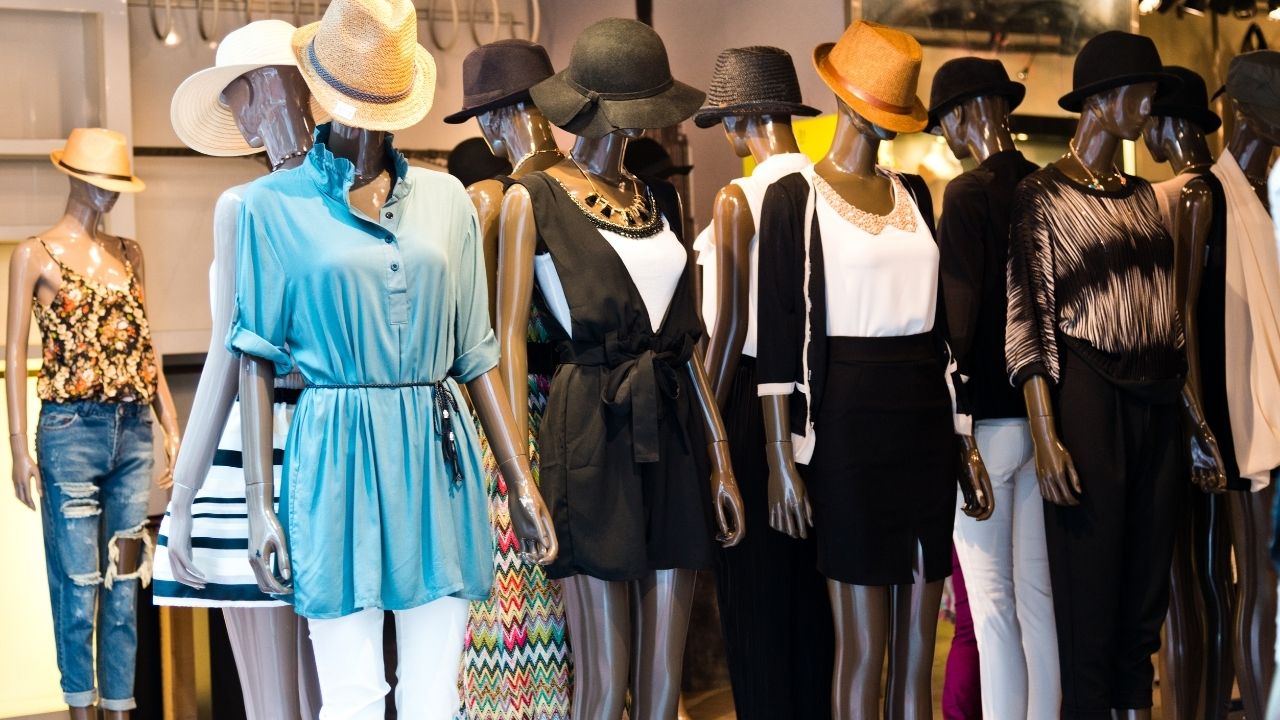
Your window displays are your first handshake with a potential customer. They are the billboard for your brand. Many retailers make the mistake of cluttering the window with too much stock. Instead, think of your window as a stage.
Focus on a theme. If it is summer, don’t just put out sunglasses. Create a beach scene with sand, a lounge chair, and a cold drink prop next to the sunglasses. This technique allows you to showcase products in a context that the shopper can imagine themselves in.
Lighting is crucial here. Use spotlights to highlight the focal point of the window. A well-lit display draws the eye even from across the street. Remember to change these displays frequently. A stale window tells passersby that there is nothing new to see inside.
2. Master the Art of Cross-Merchandising
Cross-merchandising is one of the smartest ways to boost your average transaction value. It involves grouping products from different categories that are logically used together.
For example, if you sell gourmet pasta sauce, don’t just shelf it in the sauce aisle. Create a display that includes the sauce, high-end pasta, a cheese grater, and a bottle of olive oil. By placing these product categories together, you save the shopper time and plant the idea of a complete meal in their mind.
This strategy works because it offers a solution rather than just an item. It simplifies the shopping process and often leads to an impulse buy because the customer realizes they need the complementary item right then and there.
3. Leverage Point of Purchase (POP) Displays
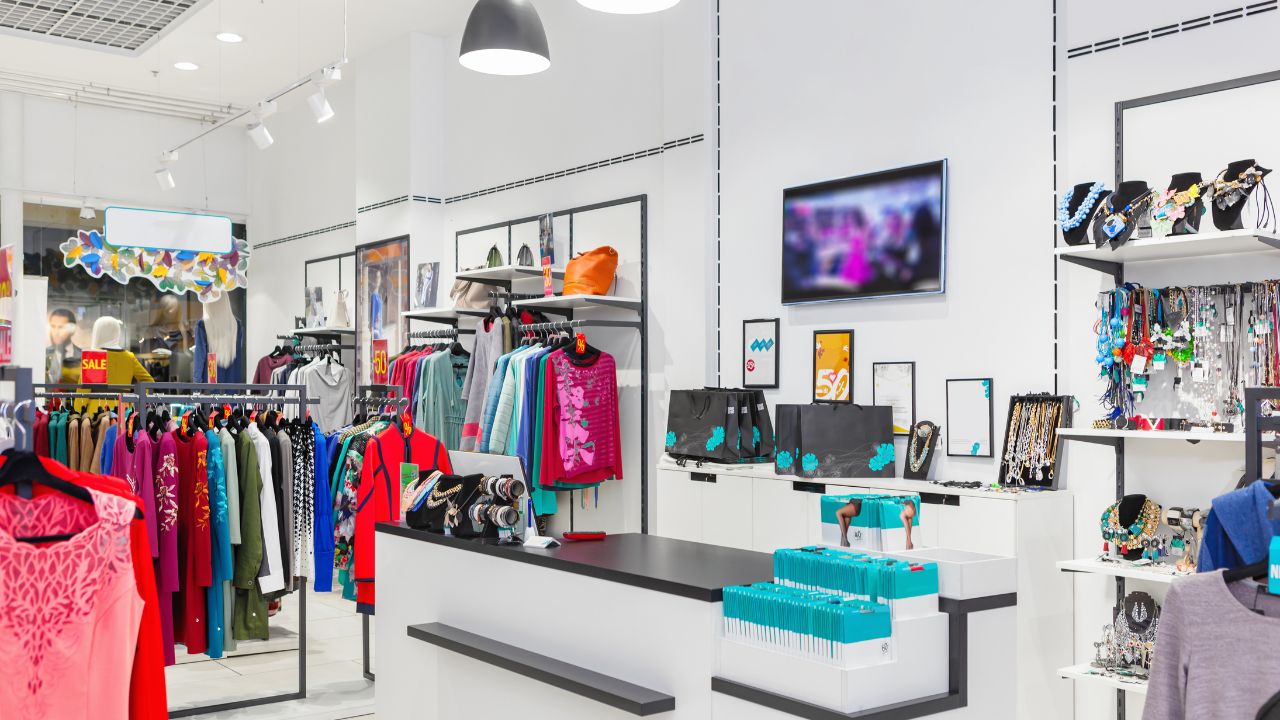
The checkout area is prime real estate. Point of purchase displays are designed to catch customers right when they are ready to spend money. This is not the place for expensive or complex items. It is the place for small, low-cost necessities or treats.
Think about lip balms, batteries, small toys, or snacks. These types of retail displays capitalize on the fact that the customer’s wallet is already out. To make this effective, keep the area tidy. A cluttered counter can cause anxiety and might actually discourage the sale. Use tiered display fixtures to keep small items organized and visible without taking up too much counter space.
4. Utilize Dump Bins for Bargain Hunters
There is something psychologically satisfying about digging through a bin to find a treasure. Dump bins are large, open containers filled with loose products. They are often used for sale items, discounted DVDs, or seasonal goodies like socks or candy.
These bins signal “value” to the customer. They suggest that the items inside are cheap and plentiful. Placing a dump bin in a wide aisle can act as a speed bump. It slows customers down and gets them to engage physically with the merchandise.
While they are great for clearing out inventory, be careful not to let them look like trash cans. Check them regularly to ensure the products aren’t damaged and that the bin is still full enough to look appealing.
5. Invest in Standalone Displays
A standalone display is a fixture that exists apart from your standard aisle shelving. These are excellent for highlighting a new product launch or a seasonal special. Because they stand apart, they break the visual monotony of rows of shelving.
You can place these in high-traffic areas, such as the entrance or the ends of aisles (end caps). A standalone unit gives you 360-degree visibility. It allows you to display products from all angles.
When designing a standalone unit, make sure it isn’t too tall. You don’t want to block the customer’s view of the rest of the store. Keep it at eye level or waist height to encourage interaction.
6. Build Interactive Customer Experiences
Modern retail is about more than just buying things; it is about experiences. Customer experiences can be enhanced through interactive displays. This could be a station where customers can test a new lotion, play with a toy, or sample a food item.
When people touch a product, they feel a sense of ownership over it. This psychological effect makes them much more likely to buy. If you sell tech gadgets, ensure they are powered on and ready to use. If you sell kitchen tools, have a demo station.
Interactive displays offer a break from the routine of walking and scanning shelves. They invite the customer to stop, play, and learn. This engagement builds trust and makes the shopping trip memorable.
7. Use Color Blocking for Visual Impact
Visual merchandising relies heavily on color theory. A scattered display with too many clashing colors can look messy and confusing. Color blocking is a technique where you arrange products by color.
Imagine a wall of towels arranged in a gradient from white to blue to black. It is visually soothing and looks incredibly organized. This method makes product arrangement easier for your staff and more appealing to shoppers.
Color blocking works well for clothing, home goods, and even books. It turns your inventory into part of the store’s decor. A strong block of a single color, like red, can also be used to draw attention to a specific sale section or a new arrival.
8. Strategic Product Placement and Eye Level
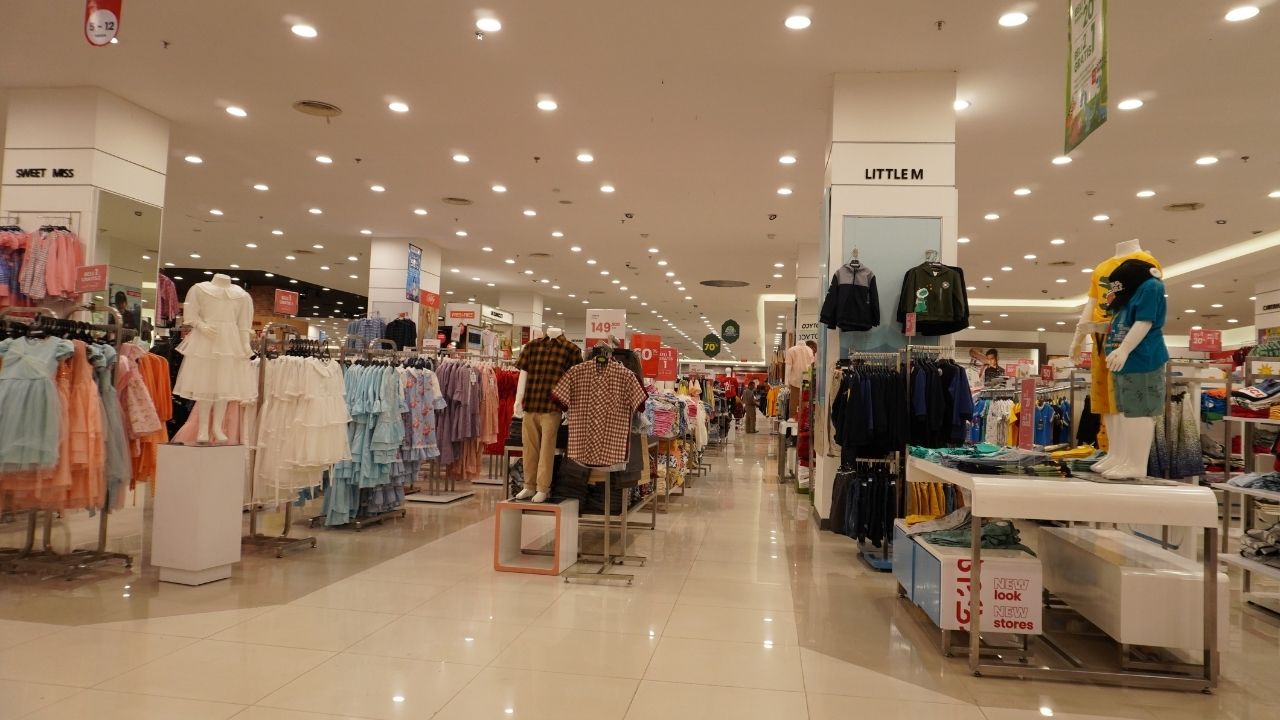
There is an old saying in retail: “Eye level is buy level.” Product placement is critical. Items placed at eye level sell significantly better than those on the bottom shelf.
Reserve your eye-level shelves for your highest margin items or your bestsellers. Use the lower shelves for bulk items or destination products that customers will search for, regardless of where they are.
You should also consider the “reach zone.” This is the area between the waist and the shoulder height. It is the easiest place for a customer to grab an item. Put your priority stock here. If you are targeting children, remember that their eye level is much lower, so place toys and treats accordingly.
9. Tell a Story with Themed Zones
Don’t just stack boxes. Create a scene. If you are selling camping gear, set up a tent. Put a mannequin in a sleeping bag and arrange a portable stove nearby. This type of visual merchandising tells a story.
When a customer sees the gear in action, they don’t just see a tent; they see a weekend adventure. This emotional connection is what drives sales. You can do this on a smaller scale, too. A coffee table book display can include a reading glasses prop and a coffee mug.
These themed zones help customers visualize how the products fit into their lives. It removes the guesswork and makes the purchase decision easier.
10. Educate with Signage and Information
Sometimes a product needs a little explanation. Types of retail displays that include informative signage can be very effective, especially for technical or high-end items.
Don’t just put the price on the tag. Use small signs or shelf talkers to explain the benefits. Does this skincare product reduce wrinkles? Does this blender crush ice in seconds? Tell the customer.
Educating the buyer builds confidence. If a customer is confused about what a product does, they will likely walk away. Clear, concise information helps showcase products as solutions to problems. It acts as a silent salesperson that is always on duty.
Why Refreshing Your Displays Matters
You might have the best products in the world, but if your display in retail is lackluster, your sales will suffer. Shoppers are visual creatures. We are drawn to beauty, order, and novelty.
Refreshing your displays regularly keeps your store feeling current. It gives regular customers a reason to come back and see “what’s new.” It also signals that you care about your business and your inventory.
Common Mistakes to Avoid
While getting creative, be careful not to fall into these common traps:
- Overcrowding: Less is often more. Give your products room to breathe.
- Poor Lighting: Dark corners hide products. Ensure every display is well-lit.
- Blocking Pathways: Never prioritize a display over the flow of traffic. Customers need to move freely.
- Missing Prices: Nothing frustrates a shopper more than having to ask for a price. Ensure every item is clearly marked.
Choosing the Right Fixtures
The hardware you use matters too. Your display fixtures should match your brand image. A high-end jewelry store should use glass and velvet, while a rustic hardware store might use wood and metal.
The type of display you choose dictates how customers interact with the merchandise. Open shelving encourages browsing, while glass cases imply value and security. Make sure your fixtures are sturdy and clean. A wobbly shelf or a dusty case reflects poorly on the quality of the items it holds.
Conclusion
Improving your retail environment doesn’t always require a massive renovation. Often, small shifts in product arrangement and creativity can yield big results. By implementing these ten ideas, from window displays to strategic cross-merchandising, you can create a shopping environment that delights your customers.
Retail is competitive. To stand out, you need to offer more than just goods; you need to offer an engaging environment. Take a walk through your store today. Look at it through the eyes of a stranger. Is it inviting? Is it clear? Or is it exciting? If not, pick one of these strategies and start experimenting. The right display might be the key to unlocking your next big sales month.
If you are ready to transform your retail strategy and create immersive experiences that drive revenue, visit Marketing Immersion for expert guidance.