Imagine walking into a disorganized shop. Clothes are piled on the floor; there are no signs pointing to the fitting rooms; and the winter coats are mixed in with the swimsuits. You would probably turn around and leave immediately.
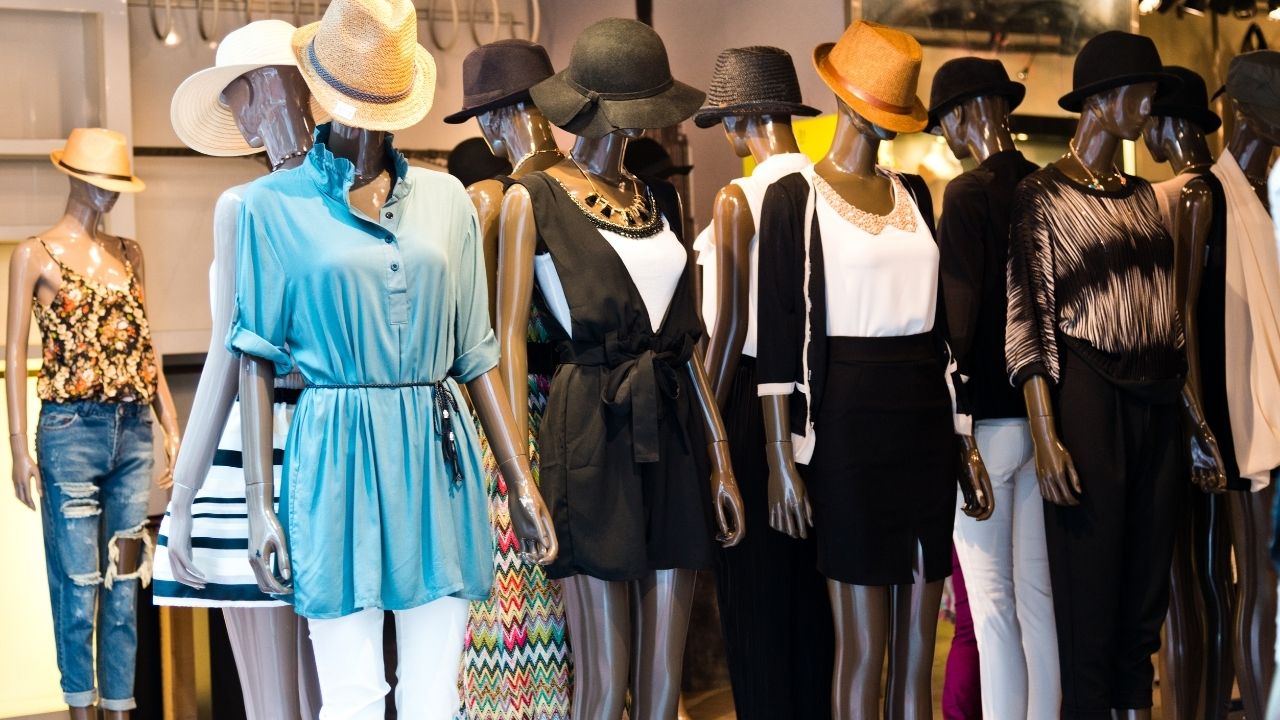
Now picture the opposite. Everything is neatly folded. The lighting is perfect. The best-selling items are right at eye level, and helpful signs guide you exactly where you need to go. You feel comfortable, you find what you need, and you likely buy something extra on your way out.
This is the power of merchandising in a brick-and-mortar store. But how do you replicate that feeling when your shop exists on a screen?
That is where ecommerce merchandising best practices come into play. It is not just about having great products. It is about how you present those products to your shoppers. Effective merchandising guides visitors through your digital aisles, helps them find what they want, and encourages them to fill their carts.
If you are looking to improve your conversion rate and turn casual browsers into loyal customers, you are in the right place. We have compiled ten essential strategies that will transform your online storefront.
What Is Ecommerce Merchandising?
Ecommerce merchandising represents the art and science of displaying products on a website to increase sales. It involves the strategic placement of images, products, and promotions to guide the customer journey. Just as physical stores use window displays and aisle arrangements, online stores use algorithms, layout design, and data to present the right product to the right customer at the right time.
1. Personalize the Homepage Experience
Your homepage is your digital storefront window. It is the first thing people see, so it needs to make a lasting impression. For online retailers, a static homepage is a missed opportunity. Every visitor is different, so why should they all see the same thing?
You can use data to tailor the homepage based on a user’s location, browsing history, or past purchases. If a returning customer previously bought running shoes, your homepage should highlight the latest athletic gear or running accessories, not formal wear.
Creating a personalized customer experience right from the start reduces friction. It shows the shopper that you understand their needs. This relevance captures attention immediately and keeps them on your site longer, which is the first step toward driving sales.
2. Deploy Strategic Product Recommendations
One of the most powerful ecommerce merchandising strategies is the intelligent use of recommendations. Think of this as your helpful sales associate who says, “If you like that shirt, you will love these pants that go with it.”
You should implement “You May Also Like” or “Frequently Bought Together” sections on product pages and in the shopping cart. However, do not just throw random items in there. The products recommended must be relevant.
Use data to pair items that logically go together. If someone is looking at a camera, recommend a memory card or a carrying case. Cross-selling and up-selling are proven ways to increase the average order value. When done correctly, it feels helpful rather than pushy, adding value to the shopper’s journey while boosting your revenue.
3. Optimize Site Search Functionality
Did you know that visitors who use the search bar are often your highest-intent shoppers? They know exactly what they want. If your search results come up empty or irrelevant, you have likely lost a sale.
Online stores must prioritize search optimization. Your search bar should handle misspellings, synonyms, and natural language queries. If a customer types “sneakers” but your inventory lists them as “trainers,” the search engine needs to make that connection.
Furthermore, you can merchandise your search results pages. Do not just list items alphabetically. Prioritize high-margin items, bestsellers, or new arrivals at the top of the results. This subtle manipulation of the search results page ensures that customers see your most valuable inventory first, increasing the likelihood of a purchase.
4. Invest in High-Quality Visuals
In a physical store, a customer can pick up a product. They can feel the fabric, check the weight, and inspect the stitching. Online, they rely entirely on their eyes. This is why high-quality images are non-negotiable.
Blurry or small photos destroy trust. You need crisp, high-resolution images that allow users to zoom in on details. But do not stop at standard white-background shots. Show the product in use. Lifestyle photography helps the customer visualize the item in their own life.
Video is also becoming increasingly important. A short clip showing how a dress moves or how a gadget works can bridge the gap between the digital and physical experience. By providing a rich visual experience, you reduce uncertainty and give shoppers the confidence to click “buy.”
5. Craft Compelling Product Descriptions
A picture might be worth a thousand words, but the product description closes the deal. Many retailers make the mistake of using the manufacturer’s standard copy. This is bad for SEO and boring for the reader.
Your descriptions should do more than list specs. They need to tell a story and focus on benefits. Instead of just saying a jacket is “waterproof,” explain that it “keeps you bone-dry even in a torrential downpour.”
Good copy answers questions before the customer thinks to ask them. It addresses sizing, materials, and care instructions clearly. Well-written descriptions not only help with driving sales by persuading the reader but also reduce return rates because customers know exactly what they are getting.
6. Leverage Social Proof
Humans are social creatures. We look to others to validate our decisions. If we see that fifty other people bought a blender and loved it, we feel safer buying it too. This phenomenon is known as social proof, and it is a critical component of merchandising.
Display reviews and star ratings prominently on product pages. Do not hide negative reviews, as a mix of feedback actually builds trust and authenticity.
Beyond standard reviews, encourage user-generated content. Create galleries showing real customers using your products. When shoppers see regular people, not just polished models, enjoying your items, it makes the product feel attainable and real. This authenticity significantly improves your conversion rate.
7. Master Mobile Merchandising
More people shop on their phones now than ever before. If your merchandising tactics only work on a desktop, you are ignoring a massive chunk of your audience. Online merchandising for mobile requires a different approach.
Screen real estate is limited on a smartphone. You cannot clutter the page. You need to simplify navigation and ensure buttons are easily clickable with a thumb.
Your mobile site must be fast. Real-time loading speed is crucial, as mobile users are notoriously impatient. Ensure your images are optimized for mobile so they load instantly. A seamless mobile experience ensures you capture sales from commuters, couch surfers, and anyone shopping on the go.
8. Integrate Inventory Management
There is nothing more frustrating for a shopper than falling in love with an item, adding it to their cart, and then finding out it is out of stock at checkout. This is a massive failure in customer experience.
Effective ecommerce merchandising best practices must include tight integration with inventory management. If a product is out of stock, mark it clearly on the category page so the user does not waste a click.
Better yet, offer a “Notify Me When Available” option. This captures the customer’s email and saves the sale for later. You can also use scarcity tactics honestly. Displaying “Only 3 left in stock” can create a sense of urgency that encourages hesitant shoppers to commit. Managing inventory visibility protects your bottom line by preventing lost sales due to frustration.
9. Create Curated Collections
Sometimes, having too many choices can be paralyzing. If a customer lands on a page with 500 options for “dresses,” they might feel overwhelmed and leave.
Help your customers by curating collections. Instead of a generic category, create theme-based groupings. “Summer Wedding Guest Outfits” or “Work-From-Home Essentials” are far more engaging than simply “Dresses” or “Office Supplies.”
These merchandising tactics guide the shopper and provide inspiration. It mimics the way a physical store might set up a mannequin display. Curated collections help users discover products they might have missed in a giant catalog and position your brand as a tastemaker in your niche.
10. Unify Your Omnichannel Strategy
Your customers do not see “online” and “offline” as different businesses. To them, it is all one brand. Your merchandising needs to be consistent across your website, your social media channels, and your physical locations if you have them.
If you are running a promotion on Instagram, the landing page that users click through to should match the visual style and offer they saw on the social post. If you have ecommerce stores and brick-and-mortar locations, ensure pricing and promotions align where possible.
Consistency builds recognition and trust. When your visual storytelling travels seamlessly from an email newsletter to a product page, you create a cohesive brand universe that customers enjoy inhabiting.
Why Merchandising Matters for Your Bottom Line
Implementing these strategies is not just about making your site look pretty. It is a direct investment in your revenue. Ecommerce merchandising best practices bridge the gap between traffic and transactions.
Think about the sheer volume of ecommerce stores launching every day. The competition is fierce. The barrier to entry is low, but the barrier to success is high. Merchandising is often the differentiator between a store that barely breaks even and one that dominates its niche.
By focusing on the customer journey, you remove obstacles that hinder the customer’s experience. By improving visuals and descriptions, you build desire. And by using data for personalization, you increase relevance. All of these factors work together to lift that all-important conversion rate.
Conclusion
Merchandising is an ongoing process, not a one-time task. As consumer behaviors shift and new technologies emerge, your strategies must evolve.
Start by auditing your current site against these ten points. Are your images high quality? Is your search bar helpful? Are you using social proof effectively? Pick one or two areas to improve this month. Test your changes, measure the results, and refine your approach.
Remember that the goal is always to help the customer. When you make it easy, enjoyable, and reassuring for them to shop with you, the sales will naturally follow. Whether you are a small startup or a massive enterprise, great merchandising is the key to unlocking your store’s full potential.
Ready to take your online store to the next level?
If you need expert guidance to overhaul your digital strategy and drive real growth, the team at Marketing Immersion can help you transform your merchandising approach today.