Walking into a retail store is more than just shopping; it’s an experience. The way products are presented can instantly capture attention, tell a story, and guide purchasing decisions. This is the power of effective fashion visual merchandising. It’s the silent salesperson who works around the clock to transform a simple retail space into a compelling brand environment. In the fast-paced world of fashion retail, mastering this art is not just a bonus; it’s a necessity for driving sales and building a loyal customer base.
But how do you turn your store into a visual masterpiece that converts browsers into buyers? It involves a strategic blend of art, psychology, and commercial savvy. Good fashion visual merchandising goes beyond just making things look pretty. It’s about creating a seamless customer journey, from the moment they spot your window displays to the final point of sale.
This guide will walk you through ten essential tips that professional visual merchandisers use to create impactful displays and ultimately boost sales. Whether you’re a small boutique owner or manage a larger retail store, these strategies will help you harness the full potential of your retail spaces.
Tell a Compelling Story
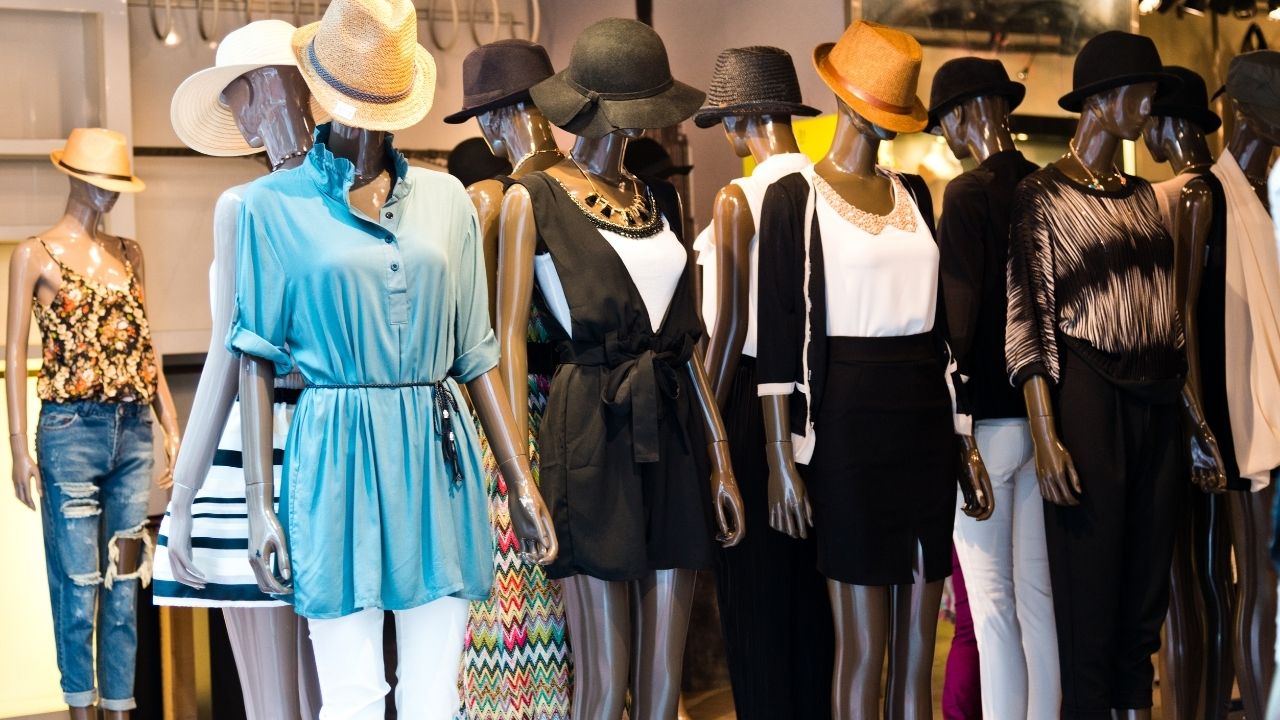
Every great store display starts with a story. What feeling or lifestyle do you want to evoke? Are you showcasing a new seasonal collection, a holiday theme, or a specific trend? Your displays should communicate a clear and cohesive narrative. Think of your mannequins as characters and your products as props. Arrange them in a way that tells a story your target audience can connect with. For example, a “Summer Getaway” theme could feature mannequins in breezy dresses, sandals, and sun hats, surrounded by props like vintage suitcases and beach towels. This narrative approach makes your products more relatable and desirable.
Create Striking Window Displays
Your window displays are your store’s first handshake. They are the primary tool for drawing people in from the street. An effective window display must be bold, creative, and captivating enough to stop passersby in their tracks. Use strong focal points, dynamic lighting, and a clear theme. Don’t overcrowd the space; sometimes, a single, dramatically presented outfit can have more impact than a dozen. Remember to change your windows regularly, at least every few weeks, to keep them fresh and give people a reason to look again. This is a critical aspect of fashion merchandising that directly influences foot traffic.
Understand Your Target Audience
Who are you selling to? The most beautiful visual display will fall flat if it doesn’t resonate with your target audience. Before you plan any layout or display, you need to understand your customers’ demographics, preferences, and shopping habits. Are they looking for luxury goods, affordable basics, or trendy statement pieces? A store targeting young, fashion-forward students will have a very different look and feel from one catering to established professionals. The colors, music, and even the type of mannequins you use should all align with the people you want to attract.
Use the Power of Lighting
Lighting is one of the most powerful and often overlooked tools in fashion visual merchandising. It can set the mood, highlight key products, and guide customers through the store. Use a combination of lighting types to create depth and interest.
- Accent Lighting: Use spotlights to draw attention to specific products, mannequins, or high-margin items. This makes them stand out and appear more valuable.
- Ambient Lighting: This is the overall lighting of your store. It should be bright and welcoming, creating a comfortable shopping environment.
- Decorative Lighting: Think chandeliers or unique light fixtures that add to your store’s aesthetic and reinforce your brand story.
Proper lighting can make colors appear more vibrant and fabrics more appealing, directly influencing purchasing decisions.
Master the Rule of Three
In design, the Rule of Three is a classic principle stating that items arranged in groups of three are more visually appealing and memorable. The human brain finds odd numbers more engaging than even numbers. When creating a store display, group products, props, or mannequins in threes. You can vary their height and position to create a dynamic, asymmetrical arrangement that looks natural and effortless. This simple trick can make your displays more professional and effective.
Create a Clear Customer Journey
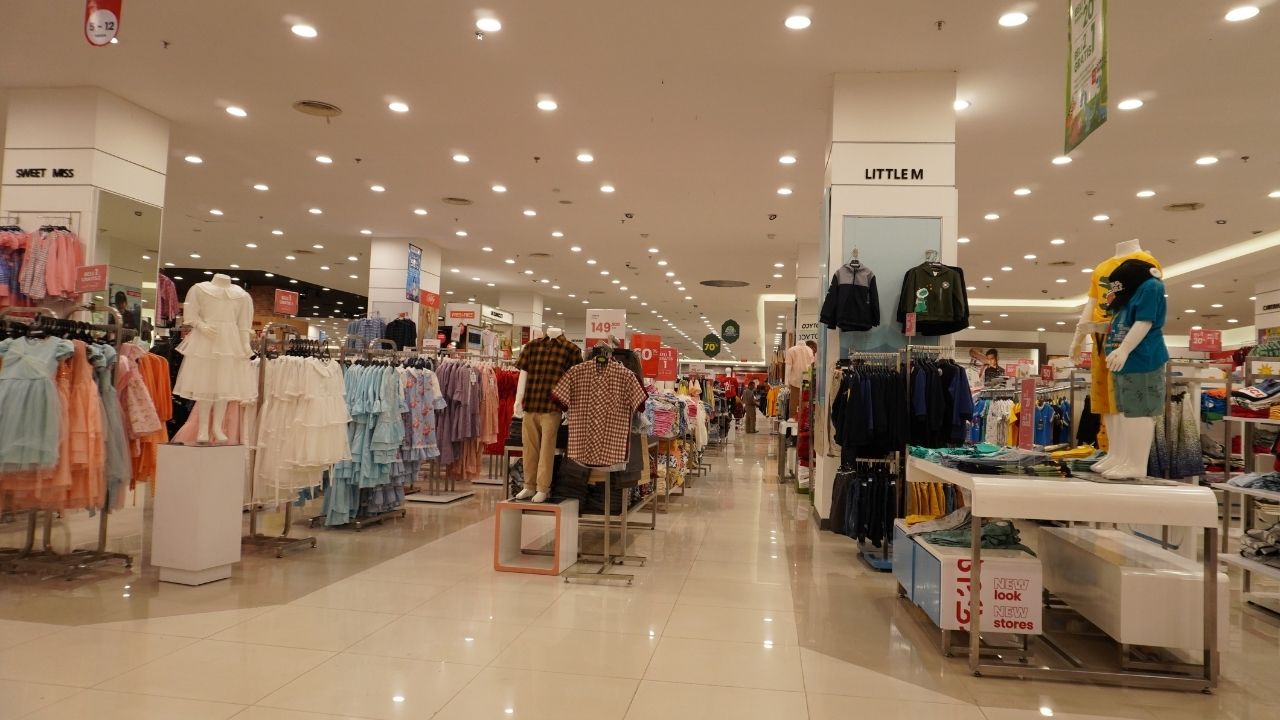
Effective fashion visual merchandising is about more than just isolated displays; it’s about designing a logical and intuitive path through your entire retail store. This path, often called the customer journey, should guide shoppers from the entrance to key departments and finally to the checkout counter. Use focal points, signage, and strategic product placement to lead them. Most customers naturally turn right upon entering a store, so place your newest or most compelling products in this area. Ensure aisles are wide enough to be comfortable and that the layout feels open and easy to navigate.
Incorporate Interactive and Digital Displays
In today’s tech-savvy world, static displays are no longer enough. Interactive displays and digital elements can create a modern and engaging shopping experience. A digital display can showcase entire collections, style guides, or even user-generated content from social media. Consider using tablets where customers can browse inventory or touch screens that provide product information. These elements capture attention and provide valuable information, bridging the gap between online and in-store shopping. This is a key trend in modern fashion visual presentation.
Don’t Neglect the Details
The responsibilities of a merchandiser include paying close attention to every detail. Wrinkled clothes, dusty shelves, or a burnt-out lightbulb can instantly cheapen the look of your store and undermine all your hard work. Regularly walk through your retail store from a customer’s perspective. Ensure that all merchandise is perfectly steamed, folded, and hung. Check that signage is accurate and that displays are tidy. These small details collectively contribute to a polished and professional atmosphere that builds trust and encourages sales.
Group Products Logically
Make shopping easy and inspiring for your customers by grouping products together in logical ways. You can group by:
- Color: Creating a color-blocked display is visually stunning and helps customers find items in their preferred shades.
- Style: Group all bohemian-style dresses together or create a section for minimalist workwear. This helps shoppers who identify with a certain aesthetic.
- End-Use: Create “outfit” displays that show customers how to wear different pieces together. Place complementary items like accessories next to primary clothing items to encourage cross-selling.
This strategic placement is a cornerstone of smart fashion merchandising, as it helps shoppers visualize how products fit into their own wardrobes, simplifying their purchasing decisions.
Refresh Displays Frequently
The fashion retail world is incredibly fast-paced. Trends change in the blink of an eye, and customer attention spans are short. To keep your store looking fresh and exciting, you must refresh your displays regularly. This doesn’t mean you need to do a complete overhaul every week. Small changes can make a big difference. Move a rack, change the outfits on a few mannequins, or create a new focal point at the front of the store. Frequent updates give returning customers a reason to come back and see what’s new, keeping your visual display strategy dynamic and effective.
FAQ: What Is the Most Important Element of Fashion Visual Merchandising?
A: While all elements are interconnected, the most important aspect of fashion visual merchandising is creating a cohesive and compelling story. A strong narrative ties together your window displays, in-store layouts, and product groupings, transforming your retail space from a simple store into an immersive brand experience that resonates with your target audience and guides their purchasing journey.
By implementing these ten tips, you can elevate your fashion visual merchandising strategy from basic to brilliant. It’s about being intentional with every detail of your retail spaces to create an environment that looks fantastic and works hard to drive your bottom line.
Ready to dive deeper and master the marketing strategies that turn visual appeal into real-world profits? Explore the expert courses and resources at Marketing Immersion to sharpen your skills and accelerate your brand’s growth.