Effective merchandising can be a game-changer for retailers looking to drive sales and enhance the customer experience. By using different types of merchandising, retailers can strategically showcase and promote products to increase visibility, attract more customers, and improve overall store performance.
Effective merchandising—from eye-catching displays to social media—helps connect customer needs with your sales goals.
This blog explores 10 types of merchandising that every retailer—whether operating a brick-and-mortar store or selling via online stores—should know.
Using these merchandising methods correctly can help businesses boost sales and keep customers happy.
What Is Merchandising, and Why Is It Important?
Before diving into the various types, it’s critical to understand what merchandising refers to and its importance. Merchandising is the practice of presenting and promoting products in a way that entices customers to buy. Its main goal is not just to sell, but to enhance the customer experience, build loyalty, and connect buyers with the product.
For retailers, effective merchandising ensures the following:
- Enhanced visibility: Products are showcased attractively and strategically.
- Higher engagement: Engaged customers are more likely to make purchases.
- Boost to sales: The use of merchandising strategies invariably leads to increased sales.
Now, let’s look at the 10 types of merchandising that every retailer should implement.
1. Visual Merchandising
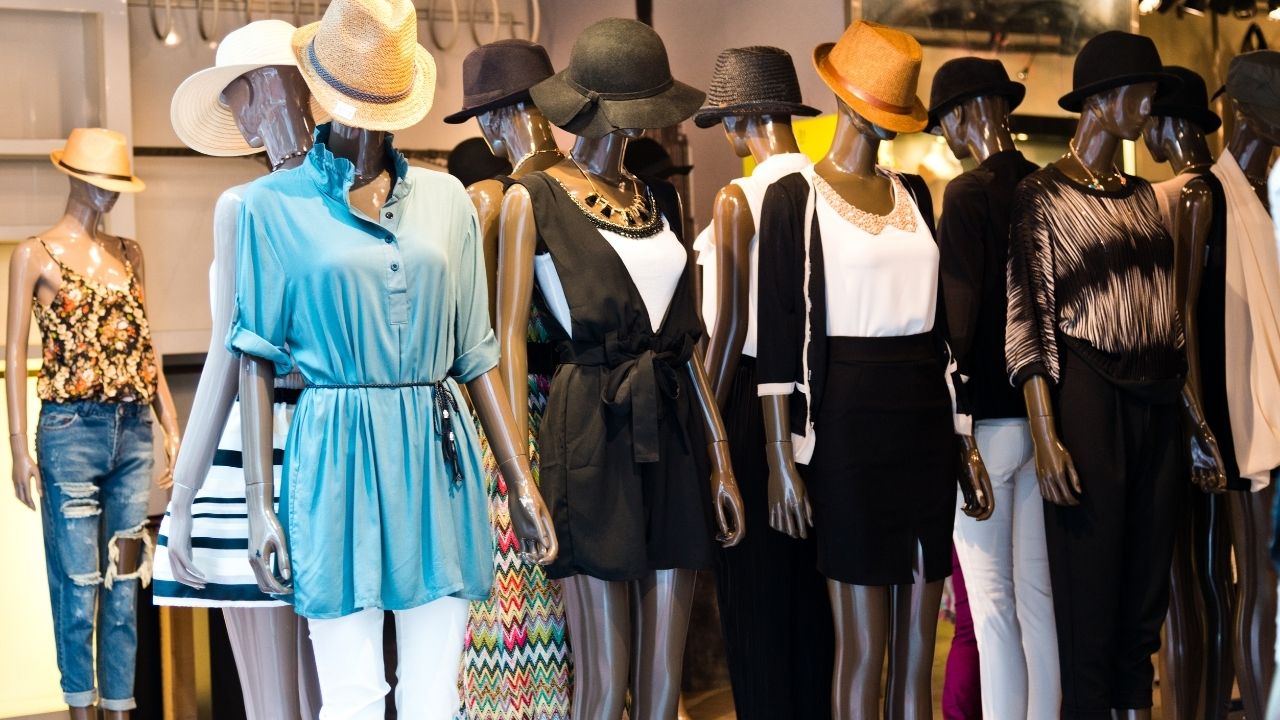
Visual merchandising focuses on creating eye-catching store displays to draw customers into a physical store or captivate online buyers. Creative use of lighting, color, signage, and product arrangement can create a strong visual impact.
Whether it’s a window display in a brick-and-mortar store or well-designed imagery on an e-commerce website, the power of visuals cannot be overstated.
Tips for Visual Merchandising:
- Use themes to make product displays cohesive and engaging.
- Incorporate seasonal elements to draw in specific customer demographics.
- Group products by category or complementary items.
Visual merchandising is important because it sets the tone for a memorable shopping experience.
2. Product Merchandising
This concept revolves around the strategic selection and promotion of products. It begins with sourcing items that resonate with your target audience and presenting them in ways that emphasize their value and benefits.
Key elements of product merchandising include:
- Offering clear descriptions and highlighting key features.
- Creating exclusive product bundles or complementary sets.
- Featuring newly launched or trending products.
3. Omnichannel Merchandising
Adopting an omnichannel approach ensures consistency across all customer touchpoints, from in-store displays to online platforms like your website, apps, and social media. Seamless alignment between digital and physical shopping experiences leads to higher customer retention.
Why Omnichannel Merchandising Matters:
- Customers can shop across multiple channels conveniently.
- Uniformity in branding builds trust and credibility.
- It drives engagement through interactive promotional activities.
4. Retail Merchandising
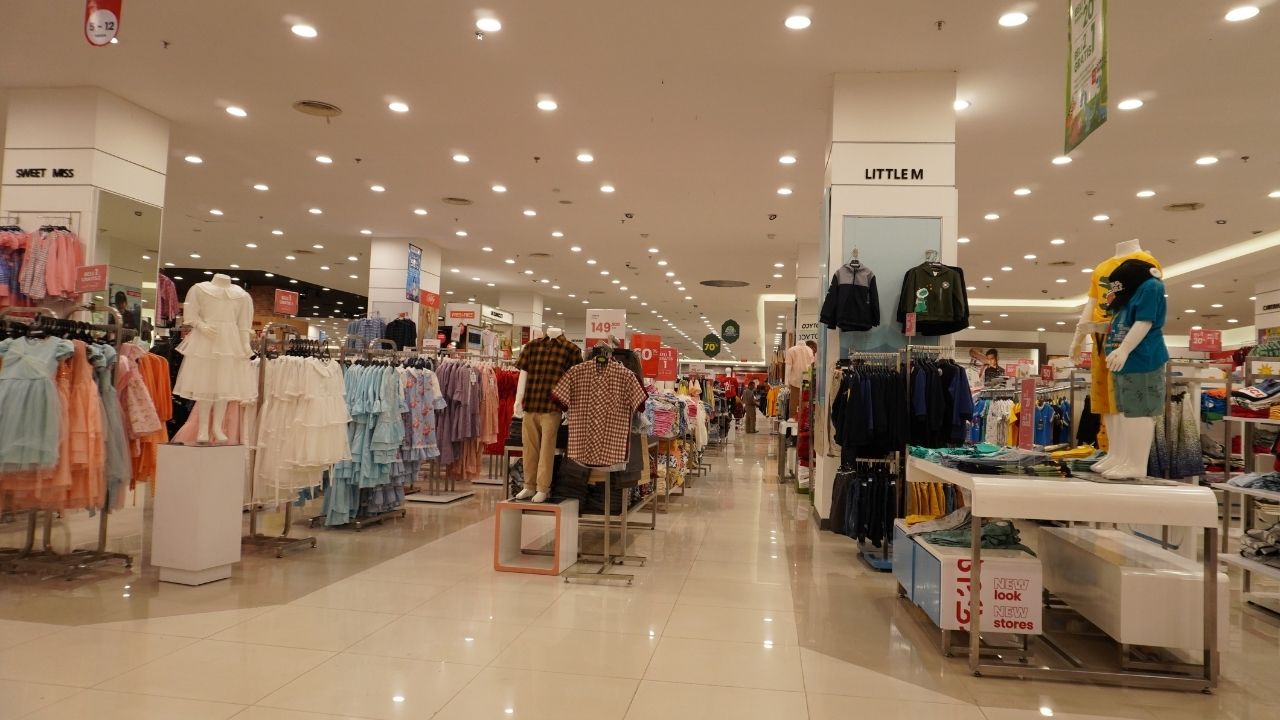
While many forms of merchandising overlap, retail merchandising specifically refers to techniques employed within retail stores. This includes everything from the layout of aisles to the placement of items at eye level.
Insights for Effective Retail Merchandising:
- Arrange high-demand items prominently.
- Use in-store signage to guide customers.
- Place impulse-buy products near checkout areas.
5. Promotional Merchandising
Promotions are among the easiest ways to draw attention to your products and encourage increased sales. By incorporating marketing strategies such as discounts, “buy one, get one” offers, or free samples, retailers can quickly move inventory and attract new buyers.
Some effective promotional merchandising activities include:
- Seasonal sales and holiday offers.
- Free samples are used to introduce customers to new products.
- Loyalty programs with special promotions for frequent buyers.
6. Digital Merchandising
With the rise of e-commerce, online stores are leaning heavily on digital merchandising to drive their success. This involves curating the online shopping experience so that customers feel confident and encouraged to make purchases.
Digital merchandising methods include:
- Personalizing product recommendations based on user behavior.
- Optimizing product categories and search functionality.
- Using videos, images, and detailed content to elevate product displays.
7. Cross-Merchandising
Cross-merchandising involves promoting complementary products together, encouraging customers to make additional purchases. For instance, placing pasta sauce next to pasta or displaying a phone case alongside smartphones in your physical store are clever ways of increasing total basket size.
Why Cross-Merchandising Works:
- Simplifies the buying process by offering solutions.
- Helps customers discover related items they may not have considered.
- Creates upselling opportunities for the retailer.
8. Behavior-Based Merchandising
Understanding customer behavior and adapting your displays accordingly is a critical practice. The placing of products based on foot traffic data in stores or bounce rate insights online can significantly improve merchandising strategy effectiveness.
Ways to Implement Behavior-Based Merchandising:
- Place high-ticket or new items in traffic-heavy regions of your retail store.
- Use targeted ads to remind customers of abandoned carts in online stores.
- Leverage data analytics to predict customer preferences.
9. Seasonal Merchandising
Holidays, promotions, and seasonal changes provide excellent opportunities for specialized merchandising. Whether it’s Valentine’s Day, Black Friday, or summer back-to-school shopping, aligning your displays and offers with the calendar can drive major traffic to your business.
Successful store displays tailored for seasonal merchandising create urgency and excitement, prompting shoppers to act.
10. Experiential Merchandising
Experiential merchandising is about creating memorable moments for your customers. This type of merchandising goes beyond products and emphasizes immersion, fun, and interaction.
Examples:
- Hosting in-store workshops or demos to engage shoppers.
- Allowing customers to test or try items before making decisions.
- Using AR/VR technology on your e-commerce platform to facilitate virtual try-ons.
This hands-on approach improves the overall customer experience and builds stronger loyalty.
Final Thoughts on Types of Merchandising
Mastering various types of merchandising techniques is essential for achieving success in both brick-and-mortar stores and online stores. Retailers who understand the importance of effective merchandising can craft strategies that entice customers, boost sales, and foster loyalty.
Whether you choose visual merchandising for aesthetic impact or prefer omnichannel merchandising for seamless customer journeys, each method plays a vital role in enhancing retail performance.
Looking for more expert insights and strategies to take your retail business to the next level? Visit Marketing Immersion to unlock a world of specialized solutions for all your merchandising needs. Start optimizing your approach today!