
When you think of your favorite movie, TV show, or sports team, what comes to mind? Is it a specific character, a memorable quote, or the thrill of a championship win? For many franchises, the connection doesn’t stop at the screen or the stadium. It extends into our homes and daily lives through a powerful, revenue-generating engine: licensed merchandise.
From a superhero action figure on a child’s shelf to a branded coffee mug in your kitchen, these products do more than just carry a logo. They represent a tangible piece of a story we love. For franchises, this connection is pure gold. Licensed merchandise is a critical component of a modern franchise’s financial strategy, transforming fan passion into a consistent and significant stream of income. It’s a brilliant form of brand extension that keeps the audience engaged long after the credits roll and establishes a lasting brand identity.
This article explores how franchises leverage licensed merchandise and product licensing to not only boost their bottom line, but also to build stronger, more enduring brands. We will cover how this strategy works, why it’s so effective, and the multiple ways it contributes to franchise growth.
The Foundation: What Is Licensed Merchandise?
At its core, licensed merchandise involves a franchise, the licensor, granting another company, the licensee, the right to use its intellectual property on products. This intellectual property, often referred to as licensing IP, can include names, logos, characters, and other iconic elements. In exchange for this right, the licensee pays the franchise royalty fees, which are typically a percentage of the sales revenue.
This simple arrangement is the backbone of a multi-billion dollar industry. It allows franchises to expand their market presence without having to build factories or manage complex supply chains. Instead, they partner with experts in manufacturing, distribution, and retail to bring their brand to life through consumer products.
Think of it this way: a movie studio is an expert at making films, not t-shirts. By licensing its movie characters to a clothing manufacturer, the studio can focus on what it does best while still profiting from apparel sales.
Turning Fans into Customers
The primary reason licensed merchandise is so successful is its direct appeal to an existing, passionate audience. Fans aren’t just buying a product; they are buying an identity, a symbol of their belonging to a community. This emotional connection is a powerful marketing tool that drives sales.
Building Emotional Connections
Franchises spend years and millions of dollars building rich worlds and compelling characters. Fans develop deep emotional attachments to these stories. Licensed products allow them to express this connection. Someone wearing a Hogwarts house scarf isn’t just trying to stay warm; they are signaling their identity as a Harry Potter fan. This helps the franchise maintain and communicate a recognizable brand identity. The result is a sense of community and personal validation that fuels repeat purchases.
Extending the Brand Experience
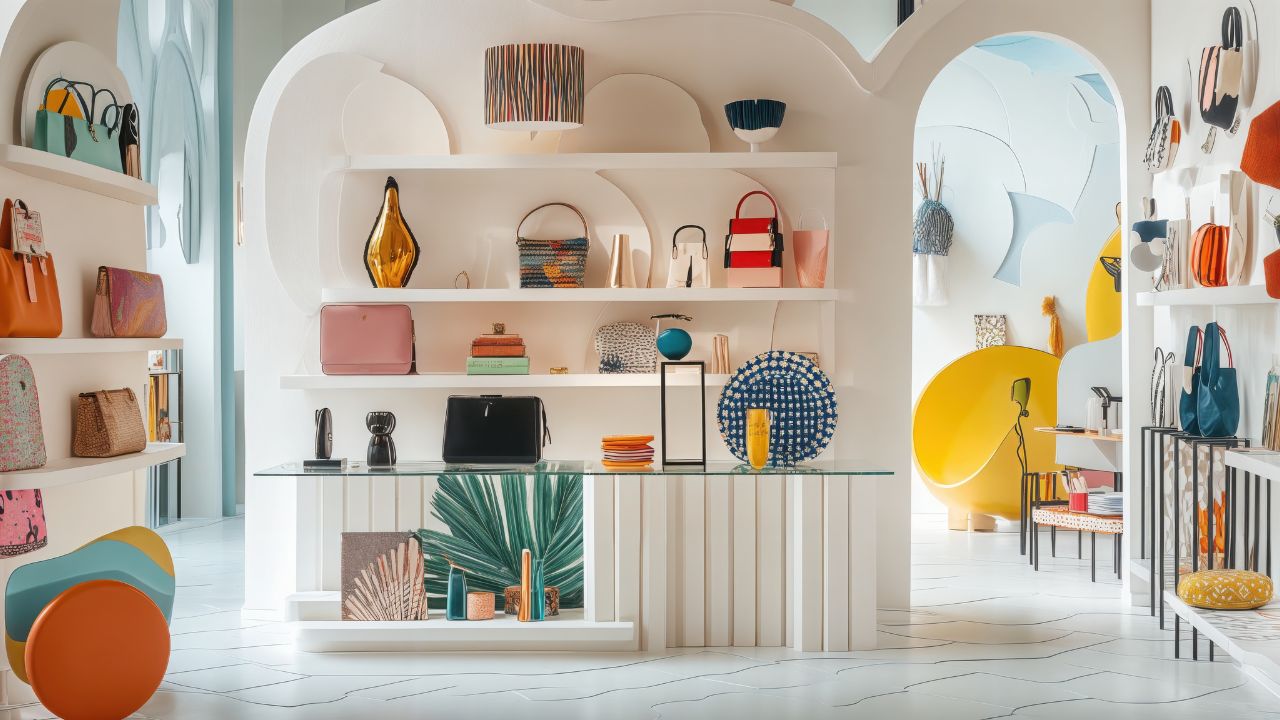
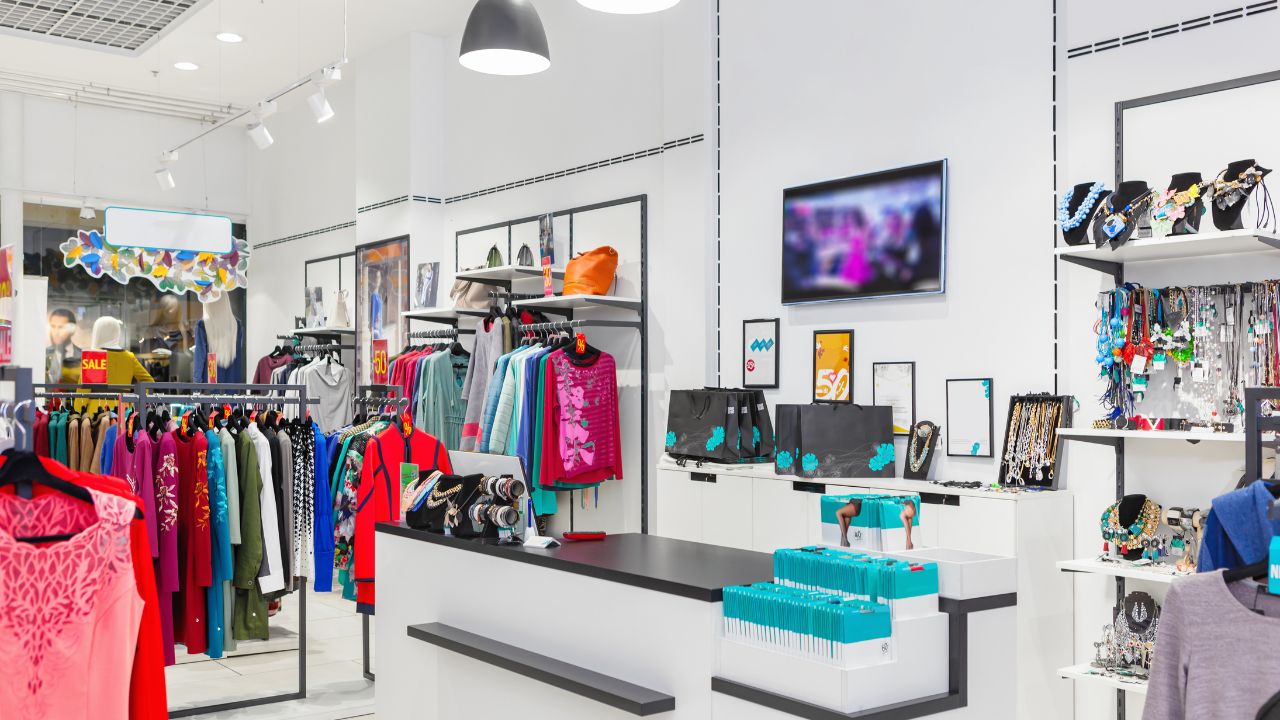
Licensed merchandise keeps a franchise top-of-mind. A movie might only be in theaters for a few weeks, but the related toys, games, and apparel can remain in a fan’s life for years. This continuous exposure reinforces brand loyalty and keeps the audience engaged between new releases or seasons. Additionally, thoughtful visual merchandising in stores and online helps to highlight these products, making them more attractive to shoppers. This strategy is crucial for maintaining momentum and ensuring that when the next installment comes out, the audience is already primed and excited.
The Multiple Streams of Revenue
Licensed merchandise doesn’t just create one revenue stream; it opens up several. This diversification is key to the financial stability and growth of a franchise.
1. Royalty Fees: The Core Income
The most direct form of revenue is royalty fees. For every licensed product sold, the franchise earns a percentage. While a single royalty might be small, the sheer volume of sales can add up to staggering amounts. Major franchises like Disney and Star Wars generate billions annually from royalties on everything from toys and video games to bedsheets and lunchboxes. This predictable, passive income provides a stable financial base.
2. Increased Brand Visibility as a Marketing Tool
Every piece of licensed merchandise acts as a tiny billboard. When someone uses a branded product in public, they are providing free advertising for the franchise. This organic marketing increases brand visibility and attracts new potential fans. A child playing with a Spider-Man action figure at the park might pique the interest of another child, creating a ripple effect that expands the audience. Effective visual merchandising helps further this impact, drawing attention to these items in both physical and digital retail spaces. This heightened visibility makes future marketing campaigns more effective and less costly.
3. Boosting Core Product Sales
Licensed consumer products can also drive sales of the franchise’s core offerings. For example:
- Video Games: A popular game based on a movie can renew interest in the film, leading to more digital downloads or Blu-ray sales.
- Toys: The release of a new toy line ahead of a movie premiere can build hype and drive ticket sales as children want to see their new favorite characters on the big screen.
- Books: A TV series based on a book series often leads to a massive surge in book sales, as viewers want to explore the source material.
This symbiotic relationship creates a cycle where merchandise and core content feed into each other’s success, maximizing overall franchise revenue.
Strategic Licensing for Maximum Impact
Successful franchises don’t just license their brand to anyone. They are strategic about the partners they choose and the products they approve. A poorly made or irrelevant product can damage the brand’s reputation. Therefore, maintaining quality control throughout the process of product licensing is essential for long-term franchise growth.
Choosing the Right Partners
Franchises look for licensees who understand the brand’s essence and have a reputation for producing high-quality goods. A luxury car brand featured in a spy movie, for instance, would not license its logo for cheap plastic toys. The merchandise must align with the brand’s image and values to feel authentic to consumers.
Expanding into New Markets
Licensing is an effective, low-risk way to test and enter new markets. A franchise can partner with local manufacturers and distributors who understand the regional culture and consumer preferences. This allows them to introduce the brand to a new audience without the massive investment required to set up their own operations. Using licensing IP also makes it easier to tap into these opportunities quickly. This approach is a common strategy for expanding a franchise’s global footprint.
Creating Collectibles and Limited Editions
A savvy licensing strategy involves creating tiers of products. While mass-market items generate volume, high-end collectibles and limited-edition merchandise cater to the most dedicated fans. These items, often sold at a premium price, create a sense of urgency and exclusivity. This not only generates high-margin revenue but also deepens fan engagement, as owning a rare item becomes a badge of honor within the community.
FAQ: What is the Most Profitable Licensed Merchandise?
While it varies by franchise, toys and video games are consistently among the most profitable categories. Toys, especially action figures and playsets, have a massive global market and strong appeal to younger audiences. Likewise, video games offer immersive experiences that can generate hundreds of millions in sales and often lead to additional revenue through in-game purchases and downloadable content.
Case Study: The Power of Merchandise in Action
Consider the Pokémon franchise. It began as a video game but quickly expanded into an animated series, movies, and a trading card game. However, a huge portion of its estimated $100 billion-plus total revenue comes from licensed merchandise.
The franchise has licensed its intellectual property for thousands of products, including:
- Plush toys of its nearly 1,000 characters.
- Apparel lines for children and adults.
- Collaborations with major brands for everything from sneakers to smartphones.
- The wildly successful Pokémon Trading Card Game.
The merchandise keeps fans of all ages continuously engaged with the brand. It has created a self-sustaining ecosystem where the games promote the merchandise, and the merchandise promotes the games. This masterclass in licensing demonstrates how a thoughtful merchandise strategy can transform a popular game into a global cultural and financial phenomenon.
The Future of Licensed Merchandise
The world of licensed merchandise is constantly evolving. The rise of digital content and e-commerce has opened new avenues for revenue. Digital merchandise, such as skins in video games or virtual items in a metaverse, is a rapidly growing market.
Furthermore, fan engagement is becoming more interactive. Franchises are leveraging social media and direct-to-consumer platforms to build communities and sell exclusive products directly to their most loyal followers. This approach enables them to gather valuable data on consumer preferences, resulting in more targeted and successful product launches.
In conclusion, licensed merchandise is far more than a simple novelty. It is a sophisticated and essential business strategy that fuels franchise growth, strengthens brand loyalty, and generates substantial revenue. By transforming passive fans into active consumers, franchises can create a durable and profitable brand that endures for generations. The t-shirt you wear or the action figure on your desk is a testament to a well-executed strategy that turns storytelling into a powerful economic force.
Ready to unlock the full revenue potential of your brand? Discover how a strategic approach to marketing and brand extension can foster a loyal community and drive business growth. Visit Marketing Immersion to discover our services and start your journey today.