Have you ever walked into a retail store and felt instantly drawn in? The lighting was perfect, the products were arranged beautifully, and you found yourself exploring aisles you didn’t even plan to visit. That wasn’t an accident. It was the result of smart retail merchandising. Knowing how to merchandise a store is a powerful skill that can transform a simple shop into a thriving destination that attracts customers and drives sales.
Effective merchandising is more than just making your store look pretty. It’s a strategic science that enhances the customer experience, encourages exploration, and ultimately leads to increased sales. Whether you run a small boutique, a large retail store, or even a grocery store, mastering these techniques can be a game-changer. This guide will walk you through proven merchandising strategies to boost your foot traffic and your bottom line.
Start with a Strategic Store Layout
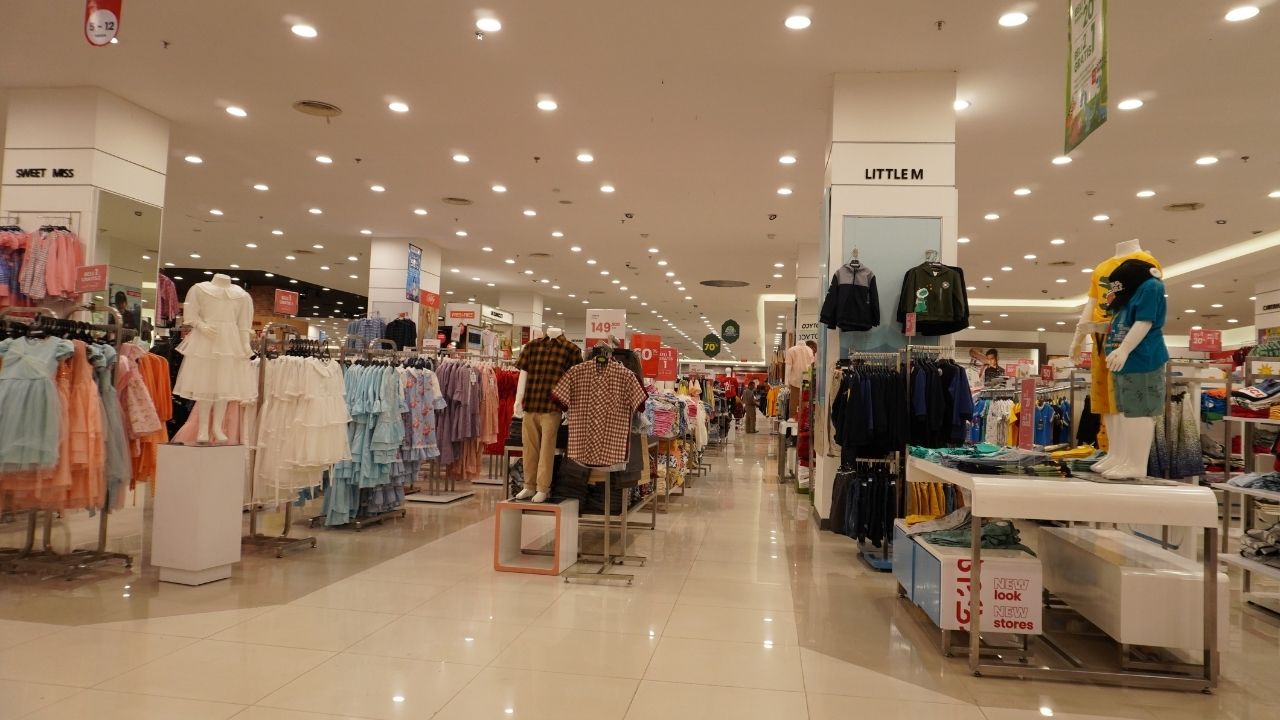
Before a customer even looks at a single product, they experience your store layout. The flow of your retail space is fundamental to guiding shoppers and creating a positive shopping experience. An illogical or cramped layout can frustrate customers and cause them to leave, while a well-planned one can lead them on a journey of discovery.
Think of your store layout as a road map. The “Decompression Zone” is the first few feet inside the door. Customers use this space to transition from the outside world, so it’s best to keep it open and uncluttered. Avoid placing key products or important signs here, as they are likely to be missed.
From there, consider creating a circular path that guides customers around the store, typically to the right. This encourages them to see a larger portion of your inventory. Use your store displays and fixtures to create a clear path, preventing dead ends that can halt a customer’s journey. The goal is to make navigation intuitive, so shoppers feel comfortable and in control.
Create an Unforgettable Window Display
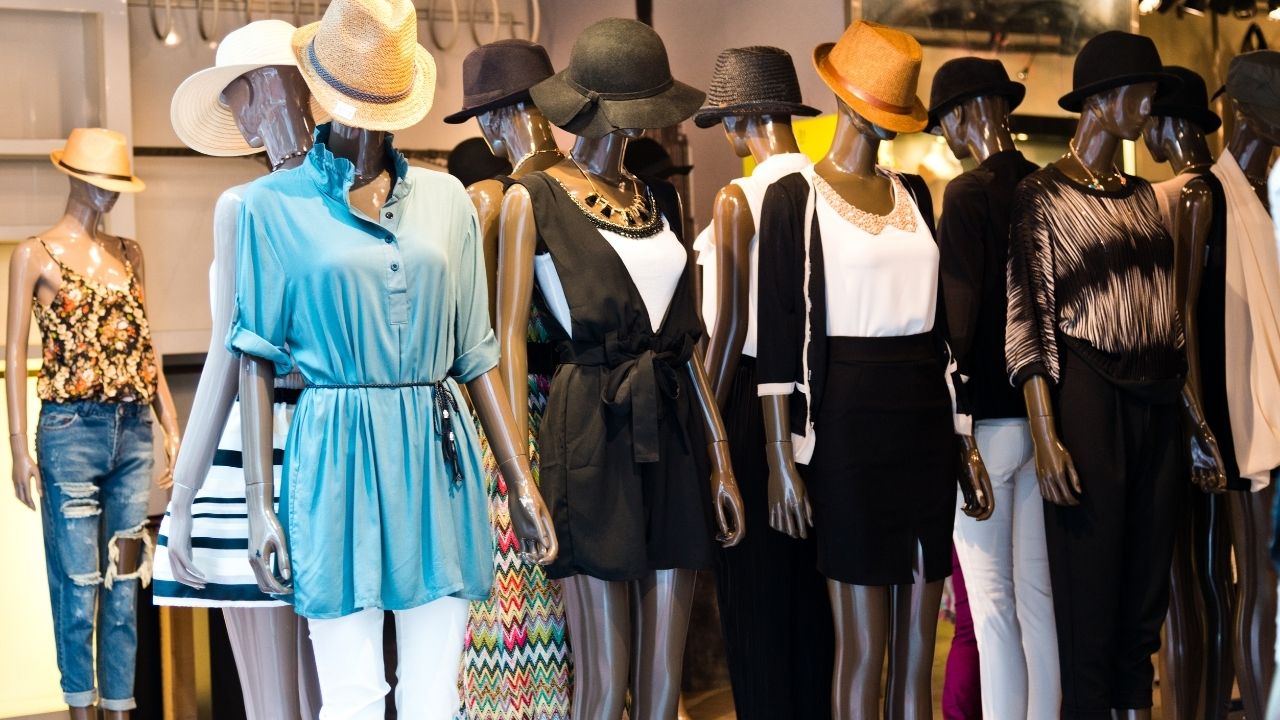
Your window display is your store’s first handshake. It’s a 24/7 advertisement that can capture the attention of passersby and convert them into visitors. A compelling window display tells a story, showcases your best products, and reflects your brand’s personality. It’s a critical part of learning how to merchandise a store effectively.
To create an effective window display, focus on a single theme or concept. Don’t try to show everything at once. Instead, curate a selection of products that work together to create a powerful visual statement. Use lighting, props, and color to create contrast and draw the eye. Remember to change your window display regularly, about once a month or with each new season, to keep things fresh and give people a reason to look again.
Master the Art of the Product Display
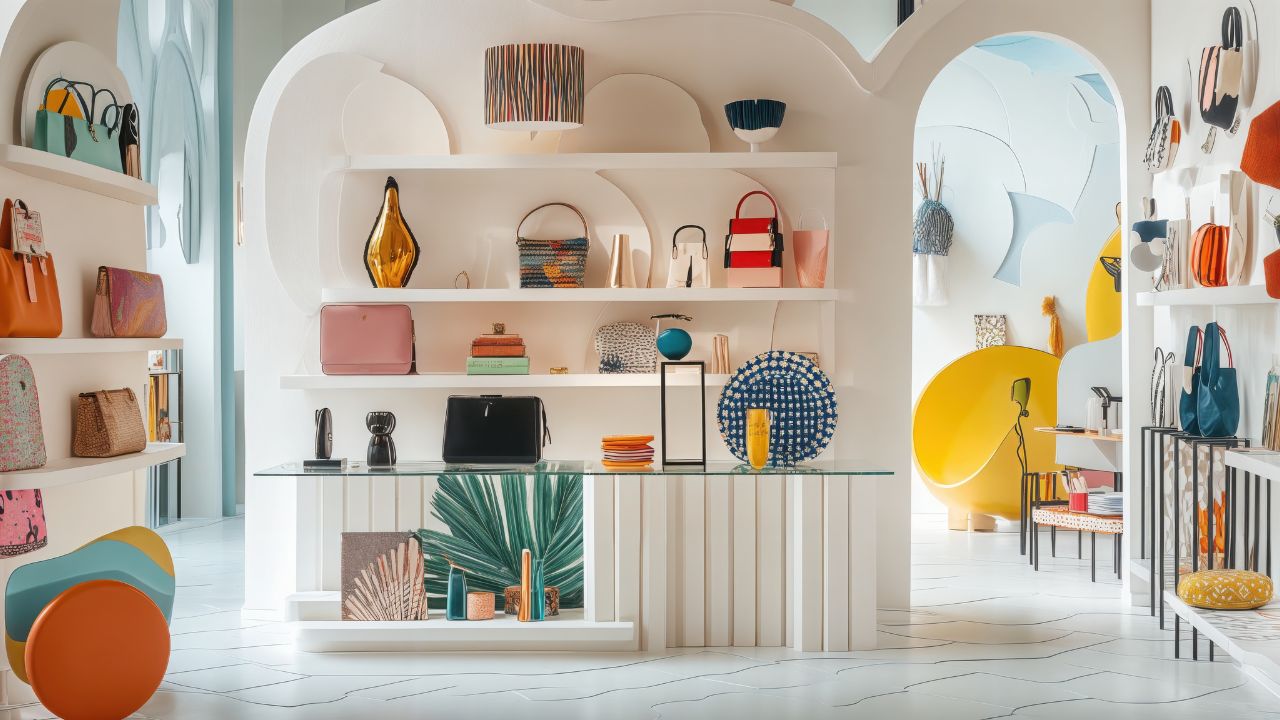
Once customers are inside, your product display strategies take center stage. How you arrange your products can significantly influence purchasing decisions. The right display makes items look more desirable, helps customers find what they need, and introduces them to products they didn’t even know they wanted.
Here are some key merchandising tips for your displays:
- The Rule of Three: Grouping items in threes is visually appealing and helps create a sense of balance. This could be three products of different heights, three related items, or three different colors of the same product.
- Pyramid Principle: Arrange products in a pyramid shape, with the largest item at the center and smaller items flanking it. This technique naturally draws the eye toward the central product.
- Product Grouping: Group related items together. For example, if you sell coffee makers, display them with coffee beans, mugs, and filters. This not only makes sense for the customer but also encourages add-on purchases. This is a crucial retail merchandising tactic.
Use Visual Merchandising to Tell a Story
A visual merchandising display is about creating a multisensory experience. It’s not just what customers see, but also what they feel, hear, and smell. Your goal is to create an atmosphere that immerses the shopper in your brand’s world.
Lighting is one of the most powerful tools in your arsenal. Use a mix of ambient, accent, and task lighting to highlight key store displays and create a warm, inviting atmosphere. Signage is another essential element. Use clear, concise, and on-brand signs to communicate promotions, product information, and your brand’s story.
Don’t forget the power of placement. The most valuable real estate in your store is at eye level. Place your high-margin products and bestsellers where they are most likely to be seen. In a grocery store, this is a classic technique used to draw attention to specific brands. Slower-moving items can be placed on lower or higher shelves.
FAQ: How Do You Effectively Merchandise a Retail Store?
To effectively merchandise a retail store, focus on creating a cohesive customer experience. Start with a clean, organized store layout that guides shoppers naturally. Use your window display to attract customers and tell a story about your brand. Inside, create compelling product displays using techniques like the rule of three and product grouping. Finally, place high-demand products at eye level to maximize visibility and sales.
Optimize the Checkout Counter Experience
The checkout area is your last chance to make an impression and increase the final sale amount. This space should be organized, efficient, and stocked with impulse buys. These are typically small, low-cost items that customers can add to their purchase without much thought.
Consider items like candy, small accessories, gift cards, or travel-sized versions of your popular products. Placing these items near the register is a proven strategy that drives sales. Ensure the checkout process is smooth and quick, as long waits can sour an otherwise positive shopping experience. A friendly and efficient cashier can make a lasting positive impression, encouraging repeat business.
Regularly Refresh Your Merchandising Strategies
The world of retail is always changing, and so are consumer tastes. The merchandising strategies that work today might not be as effective tomorrow. It’s essential to regularly analyze your sales data, observe customer behavior, and refresh your store displays.
Move products around the store to see how different locations affect sales. Introduce new props and signage to keep the retail space feeling fresh and updated. A static store becomes boring, but a dynamic one encourages customers to return to see what’s new. By continuously testing and refining your approach, you’ll discover what truly resonates with your audience and what drives sales most effectively for your specific business.
Learning how to merchandise a store is an ongoing process of creativity and analysis. By focusing on your store layout, creating stunning displays, and optimizing the overall customer experience, you can increase both foot traffic and revenue. It’s about turning your retail space into a destination that customers love to visit.
Ready to take your retail strategy to the next level? The experts at Marketing Immersion specialize in crafting effective marketing and merchandising plans that deliver tangible results. Contact us today to learn how we can help you transform your store.