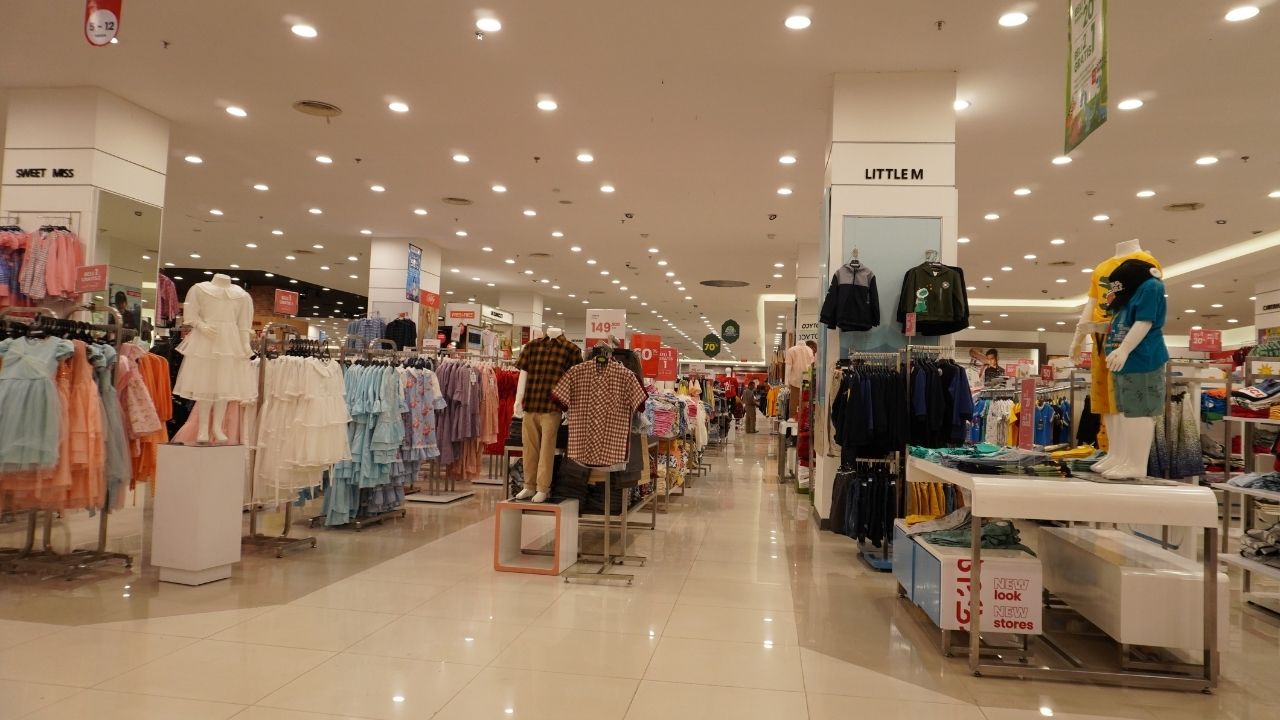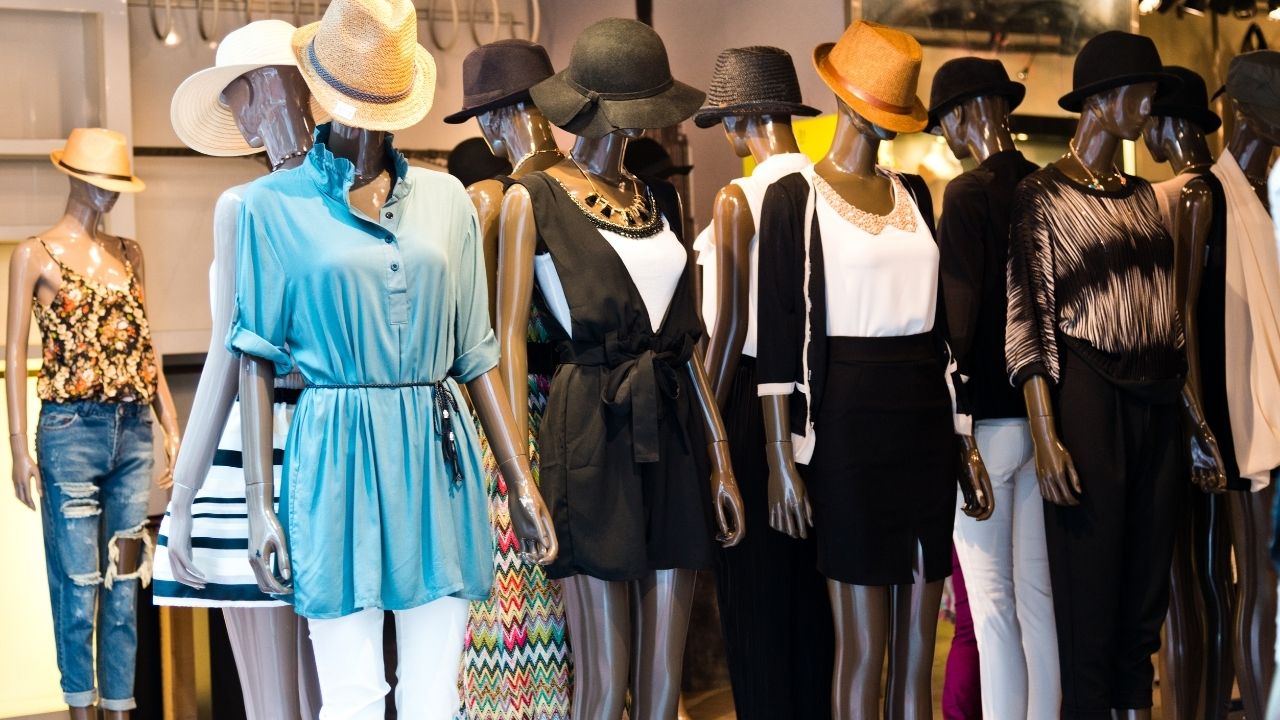

The world of retail is always changing. Brick-and-mortar stores are no longer just places to buy things; they are destinations. In this competitive landscape, the way a physical store looks and feels can make all the difference. This is where visual merchandising trends come into play, completely transforming retail spaces and shaping the modern shopping experience.
Effective visual merchandising is more than just making a store look nice. It’s a strategic art form that uses store layout, product display, and sensory details to create a memorable brand experience. These elements work together to guide customers, tell a story, and ultimately influence their purchase decisions. Let’s explore how the latest visual merchandising trends are reshaping the retail industry.
The Evolution from Product Display to Store Experience
In the past, the main goal of a store display was simple: show off the products. Retailers would line shelves with merchandise, hoping something would catch a customer’s eye. Today, the approach is far more sophisticated. The focus has shifted from a simple product display to crafting an immersive store experience.
Modern consumers seek more than just transactions. They want to connect with brands on a deeper level. Visual merchandising is the bridge that makes this connection possible. It transforms a physical store from a functional space into an engaging environment. By focusing on the overall customer experience, retailers can build loyalty and stand out from the crowd.
Key Visual Merchandising Trends Shaping Modern Retail
Staying ahead in retail means adopting merchandising strategies that resonate with today’s shoppers. Several visual merchandising trends are proving to be powerful tools for transformation.
1. Sustainable and Minimalist Design
An emerging trend that has gained significant momentum is sustainability. Consumers are increasingly drawn to brands that prioritize environmental responsibility. This preference extends to the store’s visual design.
- Eco-Friendly Materials: Retailers are using recycled, reclaimed, and natural materials for their retail display fixtures and decorations. Think bamboo, reclaimed wood, and recycled plastics.
- Minimalist Aesthetics: A “less is more” approach reduces waste and creates a clean, calming store visual. This allows high-quality products to stand out without overwhelming the customer.
- Greenery and Biophilia: Incorporating live plants and natural elements brings a sense of tranquility and connection to nature into retail spaces.
This trend doesn’t just look good; it communicates brand values, building trust with eco-conscious shoppers.
2. Technology-Enhanced and Interactive Displays
Technology has opened up new frontiers for visual merchandising. Interactive displays are turning passive browsing into an active and engaging shopping experience.
These dynamic store features captivate customers and provide valuable information. For example, a shopper could touch a screen to see a piece of clothing on a virtual model in different colors. This not only makes the experience fun but also helps customers make more confident purchase decisions.
Simple yet effective technologies like QR codes are also making a huge comeback. By placing QR codes near a product display, retailers can instantly link customers to online reviews, tutorials, or exclusive content. This seamlessly blends the physical and digital shopping worlds.
3. Storytelling Through Themed Displays
One of the most powerful visual merchandising trends is the use of storytelling. Instead of just displaying items, retailers are creating cohesive narratives that draw customers in. This starts with eye-catching window displays that act as a preview of the story inside.
Inside the store, the theme continues through a carefully planned store layout and coordinated displays. This approach helps create a strong emotional connection. For instance, a travel gear store might create a display that mimics a base camp on a mountain, complete with tents and hiking equipment. This doesn’t just sell products; it sells the dream of adventure. A powerful story transforms the brand experience from transactional to inspirational.
4. Flexible and Modular Store Layouts
The days of static, unchanging store layouts are over. Modern retail spaces need to be adaptable. Modular and flexible merchandising strategies allow retailers to easily reconfigure their store to highlight new products, accommodate seasonal changes, or host in-store events.
Using movable walls, portable fixtures, and adaptable shelving gives retailers the agility to keep their store experience fresh and exciting. This flexibility ensures that the store’s visuals never become stale, giving regular customers a reason to come back and see what’s new. A dynamic store layout can dramatically improve customer flow and product discovery.
The Impact of Trends on the Customer Experience
These visual merchandising trends have a direct and powerful impact on the overall customer experience. When done right, they work together to create a journey that is both enjoyable and memorable.
An appealing store environment makes customers want to stay longer and explore more. Thoughtful merchandising strategies guide them through the space, making it easy to find what they’re looking for and discover new items along the way. This improved journey directly influences purchase decisions.
Ultimately, a positive customer experience builds brand loyalty. Shoppers who feel a connection to a brand and enjoy their in-store experience are more likely to become repeat customers and advocates for the brand.
Quick Answer: What Is the Main Goal of Visual Merchandising?
The main goal of visual merchandising is to use aesthetic design and strategic product placement to create an engaging in-store experience that drives sales. It aims to attract customers, guide them through the store, and motivate them to purchase by presenting products compellingly and memorably.
Implementing New Merchandising Strategies in Your Store
Adopting these trends may seem daunting, but you can start by taking small steps. Begin by re-evaluating your current store layout. Is it easy for customers to navigate? Does it tell a story about your brand?
Next, consider your window displays. Are they eye-catching enough to stop passersby and entice them to come inside? This is your first and best chance to make an impression. A simple change here can have a big impact.
Experiment with one emerging trend at a time. Maybe you start by incorporating more sustainable materials into a single retail display, or by adding QR codes to a few key products. Measure the results and gather feedback from your customers and staff. This iterative process will help you find the merchandising strategies that work best for your unique brand and customer base.
The Future of Visual Merchandising
The future of visual merchandising will be even more personalized and data-driven. As technology advances, we can expect to see more stores using data to tailor the shopping experience to individual preferences. Imagine a store that changes its lighting and music based on the demographic of the shoppers inside, or interactive displays that remember a customer’s past purchases.
These advancements will further blur the lines between physical and digital retail, creating a truly unified commerce experience. However, the core principles will remain the same. The goal will always be to create a compelling brand experience that captivates customers and fosters a lasting connection.
The way retailers design their spaces is more important than ever. The latest visual merchandising trends are not just about aesthetics; they are powerful business tools that transform the physical store, enrich the customer experience, and drive growth. By embracing these changes, retailers can ensure their brick-and-mortar locations continue to thrive.
Ready to transform your retail space with cutting-edge strategies? Explore how Marketing Immersion can help you craft an unforgettable brand experience and boost your sales.