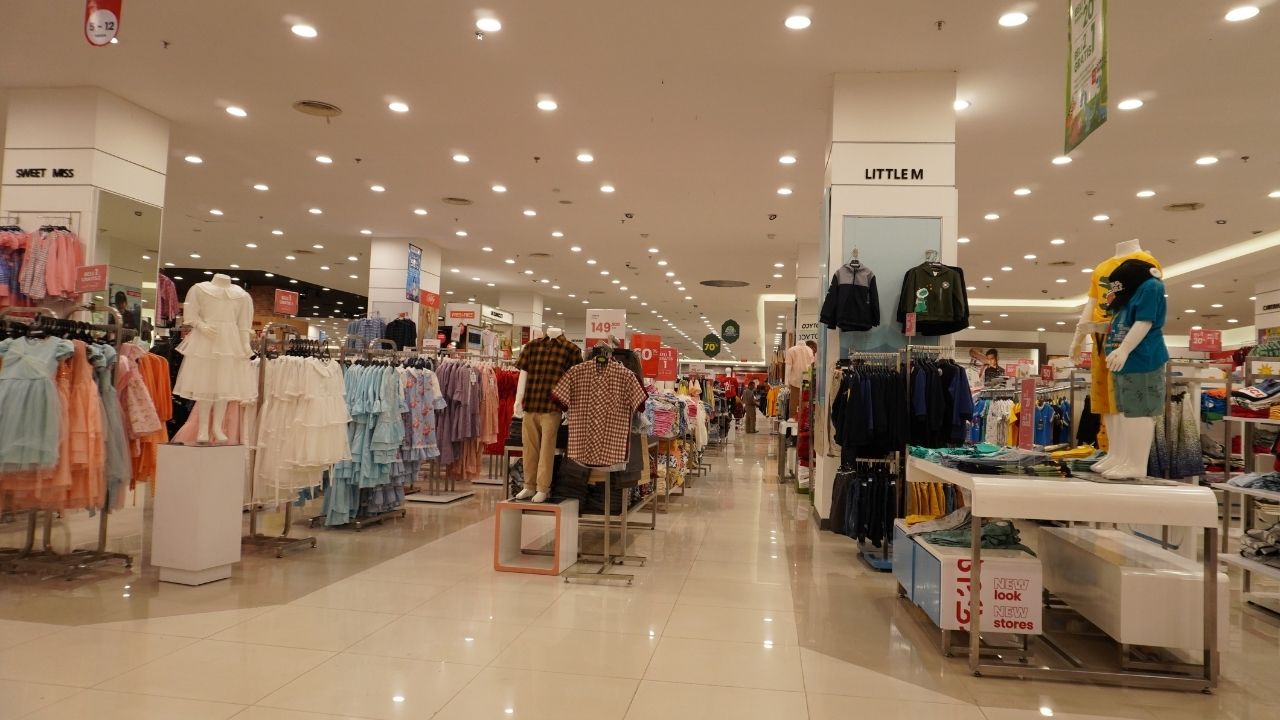

We have all walked into a store where something just felt off. Maybe the shelves were disorganized, the promotional signs were confusing, or the items you saw online were nowhere to be found in the physical aisle. This disconnect is a classic symptom of outdated retail strategies. It creates friction. It confuses customers. Worst of all, it leaves money on the table.
Retail is shifting quickly. The old ways of simply stocking shelves and hoping for the best don’t cut it anymore. Today, successful brands are moving toward a more cohesive approach. This article breaks down the battle between modern systems and the old guard. We will explore exactly how integrated merchandising solutions differ from traditional merchandising and why that difference matters for your bottom line.
What Is the Main Difference Between Integrated and Traditional Merchandising?
Integrated merchandising solutions connect online and offline data to create a unified customer experience, while traditional merchandising relies on siloed, manual processes often separated by channel. Integrated systems use real-time analytics for inventory and display management, whereas traditional methods depend on historical sales data and intuition.
The Limitations of Traditional Merchandising
To understand where we are going, we first have to look at where we have been. Traditional merchandising was the standard for decades. It relies heavily on manual labor, gut instinct, and distinct separation between departments. In a traditional setup, the team handling your e-commerce website might never speak to the team designing your in-store planograms.
This approach creates silos. Marketing, sales, and inventory management often operate independently. The result is a disjointed customer journey. A shopper might see a promotion on Instagram, only to visit the store and find the staff have no idea what they are talking about.
Reliance on Historical Data
Traditional methods look backward. Merchandisers decide what to stock next season based on what sold last year. While historical sales data is valuable, it has a major flaw: it cannot predict sudden market shifts or viral trends. If a product blows up on TikTok overnight, a traditional merchandiser might not react until the trend is already over.
Manual Inventory Tracking
In the old model, inventory checks are physical and periodic. Store associates walk the aisles with clipboards or scanners, manually counting stock. This leaves a massive margin for human error. It also means the inventory numbers in the system are rarely up to date. This lag leads to the dreaded “out of stock” scenario that drives customers to competitors.
Static Displays
Traditional visual merchandising is static. Displays are set up at the beginning of a season and often stay that way for months. There is little flexibility to change things up based on real-time performance. If a product on the bottom shelf starts selling well, it might stay hidden on the bottom shelf because the planogram says so.
The Rise of Integrated Merchandising Solutions
Enter the modern era. Integrated merchandising solutions represent a holistic approach. They smash the silos that plague traditional retail. Instead of treating online and offline channels as separate entities, integrated solutions view them as part of a single ecosystem.
This approach leverages technology to unify inventory, marketing, and sales data. It allows retailers to see the big picture. When you use integrated tools, every part of your business talks to the other parts. The goal is seamlessness.
Real-Time Data and Analytics
The biggest advantage here is speed. Integrated systems provide real-time data. You don’t have to wait for a weekly report to know how a product is performing. You can see it happening live.
This allows for dynamic decision-making. If a specific item is seeing high engagement on your website, your physical stores can be alerted immediately to move that stock to a prime location. This responsiveness captures sales that traditional methods miss.
Omnichannel Consistency
Customers today are channel-agnostic. They don’t think about “online shopping” versus “in-store shopping.” To them, it is all just shopping. They expect the experience to be the same regardless of where they interact with your brand.
Integrated merchandising solutions ensure this consistency. Pricing, promotions, and branding remain uniform across all touchpoints. If a customer adds an item to their cart online but abandons it, an integrated system can trigger a personalized offer when they walk into a physical store, bridging the gap between digital and physical.
Automated Inventory Management
Forget manual counts. Integrated systems use technologies like RFID tags and smart shelves to track inventory automatically. This drastically reduces human error. It also enables features like “buy online, pick up in store” (BOPIS) because the system knows exactly what is in stock at any given moment.
Key Differences at a Glance
Let’s break down the specific areas where these two approaches diverge.
1. Decision Making: Intuition vs. Intelligence
Traditional merchandising often relies on the “art” of retail. Experienced merchandisers use their gut feelings to decide product placement. While there is value in human intuition, it is not scalable or consistently accurate.
Integrated solutions rely on data intelligence. They use algorithms to analyze vast amounts of data, including weather patterns, local events, and social media trends, to recommend the optimal product mix. It removes the guesswork. You are no longer hoping a display works; you have data suggesting it will.
2. Customer Personalization
In a traditional setup, personalization is nearly impossible. Stores treat every customer who walks in the door the same way. The displays are generic, designed to appeal to the average shopper.
With integrated merchandising solutions, retailers can tailor the experience. Digital displays in-store can change based on who is interacting with them. Mobile apps can guide shoppers to products they have previously looked at online. This level of personalization builds loyalty. It makes the customer feel seen and understood.
3. Agility and Adaptability
The retail market is volatile. Trends change in a heartbeat. Traditional merchandising is like a large ship; it takes a long time to turn. Changing a store layout or a promotional strategy requires weeks of planning and communication.
Integrated systems are like speedboats. Because the data is centralized, changes can be rolled out instantly. You can update digital price tags across all stores with a single click. You can shift marketing spend from one product to another the moment sales start to dip. This agility is crucial for survival in a competitive market.
The Role of Technology in Integration
You cannot talk about integrated merchandising solutions without talking about the tech stack. These solutions are powered by sophisticated software platforms.
Cloud-Based Centralization
The backbone of integration is the cloud. By storing data in the cloud, it becomes accessible to everyone in the organization, from the CEO to the store associate. This eliminates version control issues. Everyone is looking at the same numbers.
AI and Machine Learning
Artificial intelligence takes data analysis to a new level. AI tools can identify patterns that humans would miss. For example, an AI might notice that a specific brand of coffee sells better when placed next to a specific type of cookie, but only on rainy Tuesdays. These granular insights allow for hyper-optimized merchandising strategies.
Mobile Connectivity
Equipping store staff with mobile devices transforms them from shelf-stockers to knowledge workers. With a tablet or smartphone connected to the integrated system, an associate can check inventory at other locations, look up detailed product information, and even process transactions anywhere on the floor. This empowers your team to provide better service.
Why Retailers Are Making the Switch
The shift away from traditional methods isn’t just about cool technology. It is about survival. Margins in retail are thin. The costs of inefficiency are high.
Reducing Waste
Traditional merchandising often leads to overstocking. Retailers order too much of the wrong product, leading to steep markdowns and waste. Integrated solutions help forecast demand more accurately. This “just-in-time” inventory approach reduces carrying costs and minimizes waste.
Improving Staff Efficiency
Manual tasks are morale killers. Asking employees to spend hours counting boxes or changing paper price tags is not the best use of their time. Integrated merchandising solutions automate these mundane tasks. This frees up your staff to focus on what really matters: interacting with customers and selling products.
Boosting Revenue
Ultimately, the goal is to sell more. By ensuring the right product is in the right place at the right time, integrated solutions drive conversion. When you remove friction from the buying process, people buy more. It is a simple equation.
Overcoming the Challenges of Integration
Moving from a traditional model to an integrated one is not a simple flip of a switch. It requires a cultural shift within the organization.
Breaking Down Internal Walls
The biggest hurdle is often internal politics. Departments that are used to working independently may resist sharing data or collaborating. Leadership must champion the change. They need to show that integration benefits everyone, not just the tech team.
The Learning Curve
New technology requires training. You cannot just install new software and expect staff to know how to use it. Retailers must invest in comprehensive training programs. The technology should empower employees, not frustrate them.
Data Integrity
An integrated system is only as good as the data it is fed. If your inventory data is messy or inaccurate, the system will make bad recommendations. Before implementing integrated merchandising solutions, retailers need to clean up their data. This initial audit is time-consuming, but it is essential.
Semantic Connections in Retail Strategy
When we discuss these solutions, we are also talking about broader concepts like supply chain optimization and consumer behavior analysis. An integrated strategy touches every part of the retail lifecycle.
Supply Chain Visibility
Integration extends backward into the supply chain. When your merchandising system talks to your supplier’s system, you gain visibility into lead times and potential delays. If a shipment is stuck at a port, your system can automatically adjust expectations and suggest alternative products to feature.
Visual Merchandising Evolution
Visual merchandising is no longer just about aesthetics. It is about data-driven design. Heat mapping technology can show you exactly where customers walk in your store and where they stop. You can use this data to place high-margin items in the hottest zones. Traditional visual merchandisers relied on design principles; modern ones rely on behavioral data.
The Future of Retail Merchandising
The gap between traditional and integrated merchandising will only widen. As technology advances, the capabilities of integrated systems will grow. We are moving toward a future of predictive retail, where systems know what a customer wants before they do.
Retailers who cling to traditional methods will find it increasingly difficult to compete. They will be slower, less efficient, and less responsive to customer needs. The businesses that embrace integrated merchandising solutions will be the ones that define the future of the industry.
We are already seeing the integration of Augmented Reality (AR) into these solutions. Imagine a customer pointing their phone at a shelf to see personalized reviews, ingredients, or promotions overlaid on the physical products. This is not science fiction; it is the next step in integrated retail.
Making the Right Choice for Your Business
Adopting these solutions is an investment. It requires capital, time, and effort. However, the cost of doing nothing is higher.
If you are struggling with inventory accuracy, disjointed marketing campaigns, or a lack of customer insight, it is time to look at your merchandising strategy. Are you still relying on spreadsheets and intuition? Or are you ready to harness the power of data?
The transition doesn’t have to happen overnight. You can start by integrating one aspect of your business, such as inventory management, and expand from there. The key is to start moving toward a unified ecosystem.
Traditional merchandising served us well for a long time. It built the retail industry as we know it. But the tools that built the past are not the tools that will build the future. The complexity of modern retail demands a more sophisticated approach. It demands integration.
The choice is clear. You can stick with the silos and the guesswork, or you can embrace a solution that connects your entire business, streamlines your operations, and delights your customers.
Ready to Transform Your Retail Strategy?
Navigating the shift from traditional methods to a modern, data-driven approach can be complex, but you do not have to do it alone. If you want to optimize your operations and see real growth through expert guidance, visit Marketing Immersion today to discover how the right strategy can revolutionize your business.