Running a retail business is a balancing act. You have to manage inventory, serve customers, and handle the day-to-day operations. But one of the most powerful tools at your disposal is effective retail and merchandising. For small businesses, mastering these skills can be the difference between blending in and standing out. It’s how you transform a simple retail store into a destination and a casual browser into a loyal customer.
Effective retail and merchandising is more than just placing products on a shelf; it’s the art and science of presenting your store and your products in a way that is engaging, intuitive, and compelling. It’s about creating a memorable shopping experience that drives sales and builds brand loyalty. This guide will walk you through the best practices to help you create a powerful retail merchandising strategy that works for your unique business.
What is the Most Important Part of Retail Merchandising?
While every element plays a role, the most important part of retail merchandising is understanding your customer and using that knowledge to create a cohesive and positive customer experience. Your store layouts, product displays, and promotions should all be designed with your target shopper in mind. When you make the shopping journey easy, intuitive, and enjoyable, you directly impact their purchasing decisions and encourage customers to return.
Crafting a Store Layout That Guides and Sells
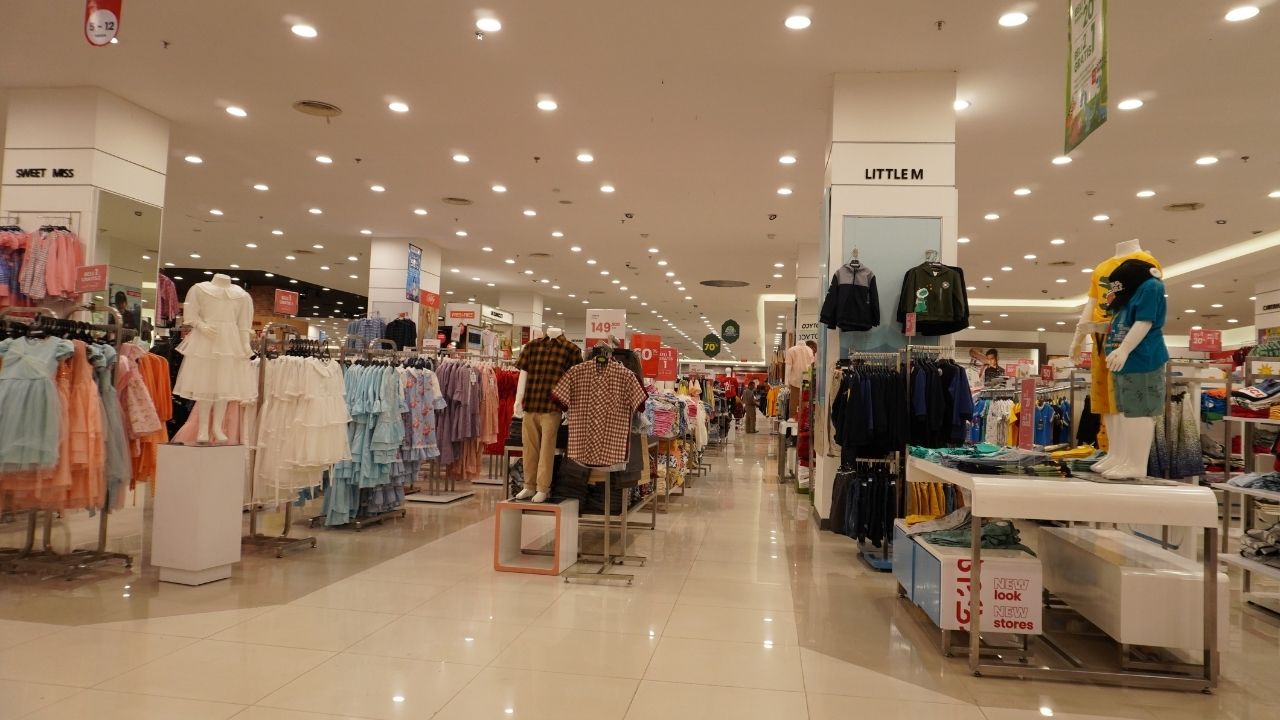
Your store’s layout is the foundation of your merchandising strategy. It dictates how customers move through your space and interact with your products. The goal is to create a path that feels natural while strategically exposing shoppers to key items.
Choose the Right Layout for Your Space
Different store layouts serve different purposes. Consider these popular options:
- Grid Layout: Common in grocery stores and pharmacies, this layout uses parallel aisles to maximize space and display a large amount of stock. It’s efficient and familiar to shoppers.
- Loop Layout: This layout creates a defined path that takes customers on a journey through the entire store. It’s great for encouraging discovery and exposing shoppers to a wide variety of products.
- Free-Flow Layout: This more organic layout uses displays of various shapes and sizes to create a relaxed, experiential atmosphere. It’s ideal for boutiques and smaller shops that want to foster a sense of exploration.
No matter which you choose, ensure your aisles are wide enough for comfortable navigation and that your most important products are in high-traffic zones. A well-thought-out layout is a crucial first step in your store merchandising plan.
Developing Powerful Visual Merchandising Strategies
Visual merchandising is what brings your brand to life. It’s how you use color, lighting, signage, and product displays to create an atmosphere that resonates with your customers and helps you maximize sales.
Start with Eye-Catching Window Displays
Your window displays are your store’s first impression. They are a 24/7 advertisement designed to stop passersby and entice them to come inside. An effective window display should:
- Tell a clear story or have a strong theme.
- Highlight new arrivals, bestsellers, or seasonal promotions.
- Be well-lit, clean, and changed regularly to keep things fresh.
Think of your windows as a preview of the great customer experience waiting inside.
The Power of Product Placement
Where you place products inside the store dramatically affects sales. A key principle of retail and merchandising is placing high-demand items at eye level, as this is where shoppers look first.
Use a “cross-merchandising” technique. This involves displaying complementary products together. For example, place pasta sauces next to the pasta or scarves and hats next to winter coats. This not only makes shopping more convenient but also helps increase sales by suggesting additional purchases. Don’t forget about the checkout counter; this is prime real estate for impulse buys like small treats, accessories, or gift cards.
Creating Focal Points
Use focal points to break up your displays and draw attention to specific products or promotions. You can create these with:
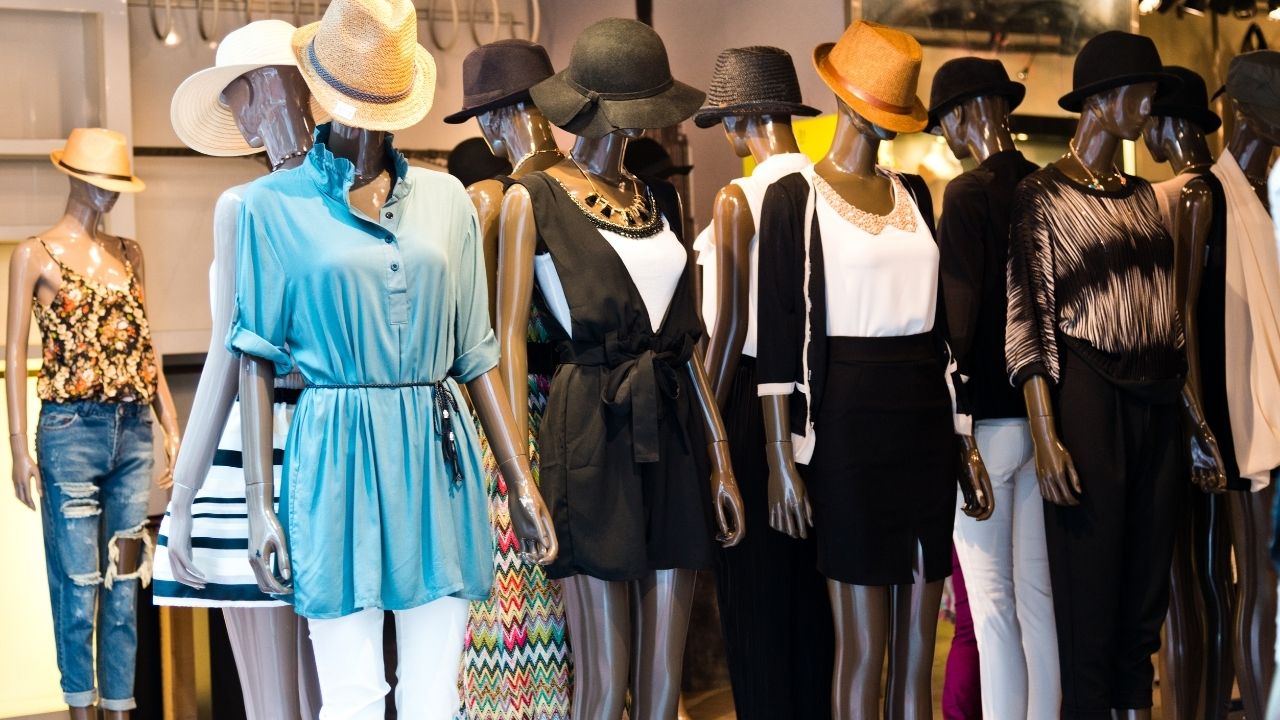
- Mannequins: Group them to show complete outfits.
- Signage: Use clear, concise signs to announce sales or highlight product benefits.
- Lighting: Use spotlights to make a display pop.
- Color: Use a bold color to draw the eye.
These techniques, often executed by professional visual merchandisers, can be adopted by any small business to guide customer attention effectively.
Integrating Your Marketing Plan with Merchandising
Your retail merchandising strategy shouldn’t exist in a vacuum. It needs to be a physical extension of your overall marketing plan. This integration ensures a consistent brand message across all channels, from your digital presence to your physical store.
Align In-Store Promotions with Digital Campaigns
If you’re running a sale on your website or promoting a new product on social media, make sure that message is mirrored in your store. Use consistent branding, imagery, and promotional language. This creates a seamless shopping experience for customers who may have discovered your brand online. For example, if you post an eye-catching photo of a new dress on Instagram, feature that same dress prominently near the store entrance.
Use Social Media to Drive In-Store Traffic
Social media is a powerful tool to bridge the gap between online and offline. Use your platforms to:
- Showcase your new window displays or in-store setups.
- Announce in-store-only events or promotions.
- Encourage user-generated content by creating an “Instagrammable” corner in your store.
This approach helps build a community around your brand and gives customers a compelling reason to visit your physical retail store.
Optimizing the Customer Experience
Ultimately, every one of your merchandising strategies should contribute to a positive customer experience. A happy, comfortable shopper is more likely to buy and more likely to return.
The Importance of Details
Pay attention to the small things. Ensure your store is clean, well-lit, and smells pleasant. Play background music that matches your brand’s vibe. These sensory details collectively shape the shopping atmosphere.
Make sure your fitting rooms are clean, spacious, and have good lighting and mirrors. A frustrating fitting room experience can easily lead to a lost sale. Good retail management involves training staff to maintain these standards throughout the day.
Empower Your Staff
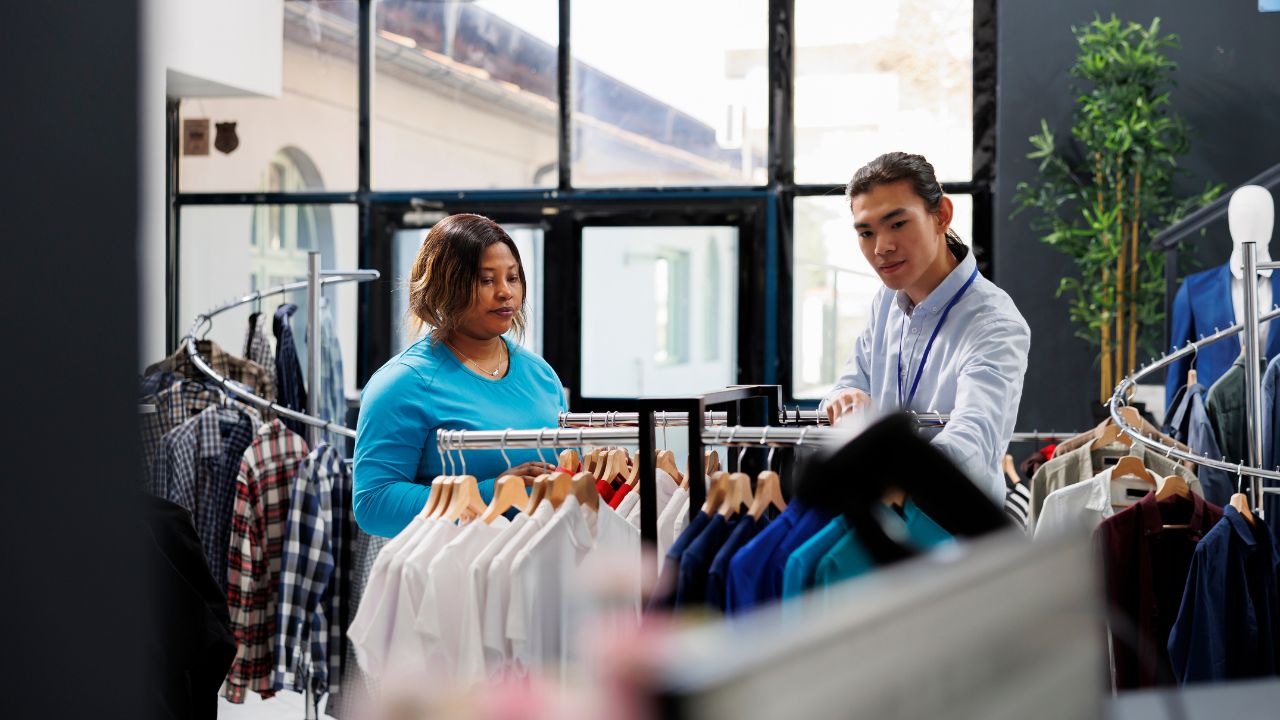
Your employees are your most valuable asset. They bring your retail and merchandising efforts to life. Train them on your products, your brand story, and the layout of the store. A knowledgeable and friendly team can answer questions, offer styling advice, and make customers feel valued, which is crucial to creating a positive shopping experience. They are the final, human touch that can encourage customers to complete a purchase.
By implementing these retail and merchandising best practices, small businesses can create an inviting and effective shopping environment. It’s about being thoughtful and strategic, turning your physical space into a powerful tool to increase sales and build lasting customer relationships.
Ready to take your marketing to the next level? A strong merchandising plan needs a robust marketing strategy to support it. Visit Marketing Immersion to discover how our expertise can help you build a comprehensive growth plan.