Retail success often depends on how well you present your products, how your store feels, and how easily shoppers can move through the space. This is where the right visual merchandising methods make all the difference. Whether you manage a small boutique or a large retail store, your presentation strategy shapes how customers interact with your products and how likely they are to buy.
A strong visual merchandising strategy blends creativity with psychology. It helps you guide customers, highlight specific products, and enhance the shopping experience. If you want to increase sales, build a memorable brand presence, and make better use of your retail space, exploring the right techniques is essential. Many retailers also pair these methods with thoughtful retail merchandising and branding services to build a consistent identity across every part of their business.
Below, you will find easy and effective visual merchandising methods that can transform your physical store and even your online visual merchandising efforts.
Why Visual Merchandising Matters for Every Retailer
Great merchandising is more than a pretty display. It influences how long customers stay, what they notice, and what they ultimately purchase. When shoppers walk into a retail store, they quickly form an impression. Your product displays, color schemes, lighting, layout, and signage all work together to shape that impression.
The goal is simple: help customers feel comfortable, spark their interest, and make choosing products easier. Effective visual merchandising also helps you:
- Increase sales without increasing your inventory
- Draw attention to new or seasonal items
- Improve the flow of your retail space
- Support your brand story
- Build stronger emotional connections with shoppers
When used consistently, these methods strengthen your broader marketing strategies and help turn casual browsers into loyal buyers.
1. Start With a Strong Window Display
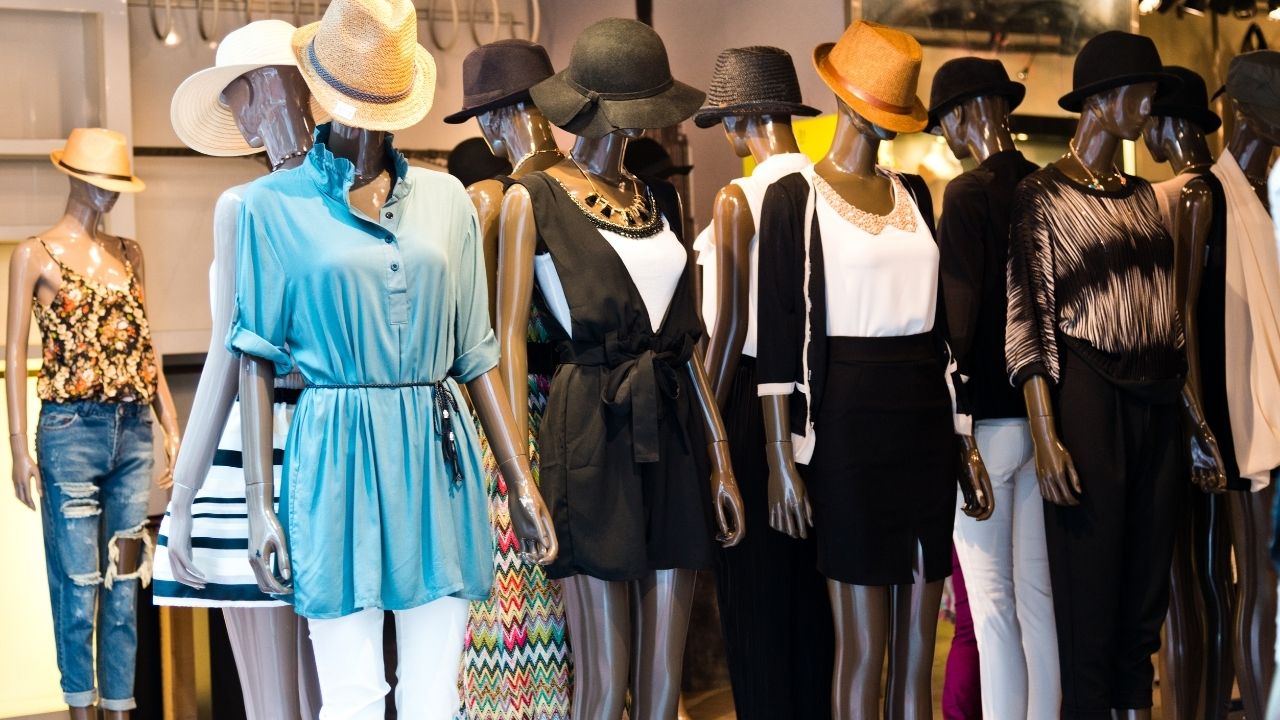
Your window display is your first chance to catch customers’ attention. A creative, well-planned display invites people to step inside. It should tell a quick visual story and immediately signal what your store offers. Many traditional retail display tips start with understanding what shoppers see first and how that first impression influences their next move.
A few tips to make your window display work harder:
- Focus on one clear theme
- Use lighting to highlight the focal point
- Keep it uncluttered
- Change the display regularly to stay fresh
A powerful window display can turn foot traffic into actual traffic inside your store and works well across both retail merchandising and fashion merchandising environments.
2. Choose a Clear Focal Point
Every product display needs one strong focal point. This is the item or section you want shoppers to see first. Without a focal point, customers scan the area without truly noticing anything.
Good focal points:
- Use height, color, or special props to stand out
- Draw the eye naturally
- Support your visual merchandising strategy, not distract from it
Whether it is a trending item or a promotional product, the focal point anchors your display.
3. Use the Power of Color Schemes
Color is one of the simplest tools in visual merchandising. It sets the tone, communicates emotion, and influences buying decisions. A well-chosen color scheme can group products in a way that feels cohesive and visually appealing.
Ways to incorporate color:
- Use contrasting colors to highlight specific products
- Tie your product displays together with a theme, like seasonal colors
- Repeat colors in signage, props, and backgrounds for consistency
When colors are used strategically, they help guide customers effortlessly.
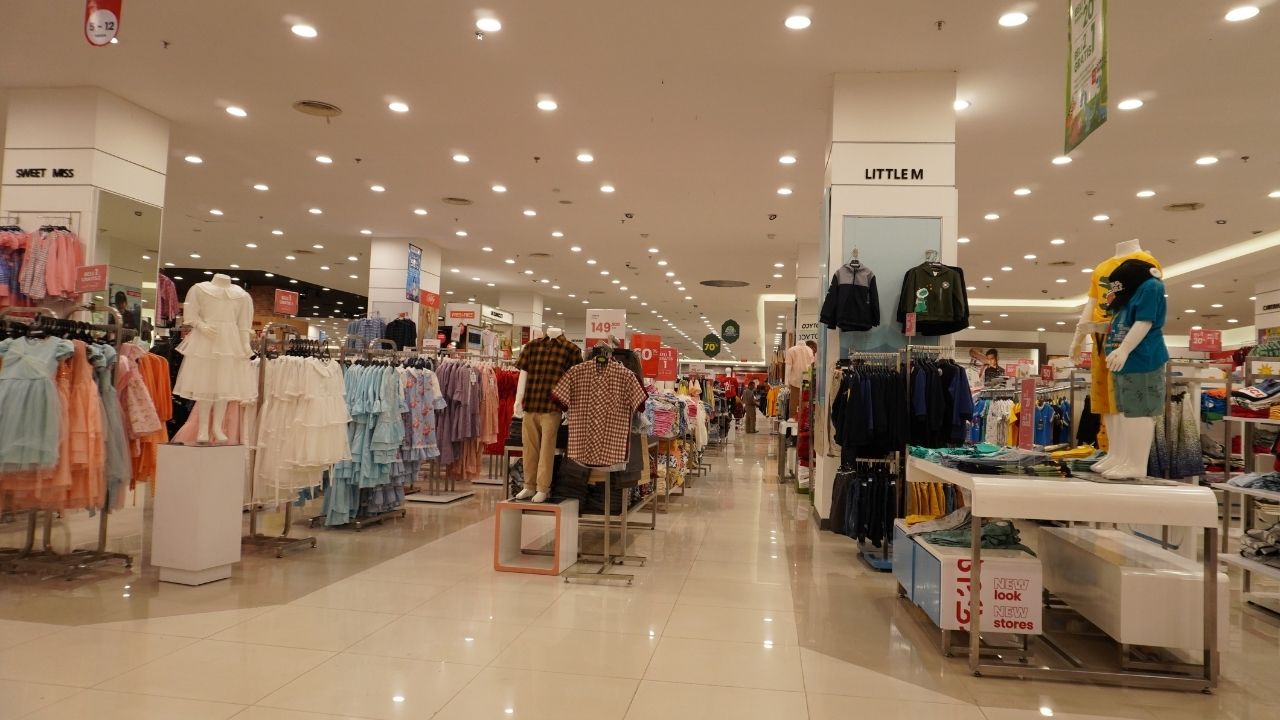
4. Keep Your Retail Space Organized and Easy to Navigate
The layout of your physical store affects how people move through it. If the path feels confusing or cramped, shoppers leave quickly. A clean, logical layout encourages people to explore and stay longer.
Here are a few layout tips:
- Place high-demand items toward the back to draw customers in
- Use clear pathways to guide customers
- Keep displays stable, clean, and uncluttered
- Separate categories, so customers can find what they need
A well-designed retail space supports your visual merchandising techniques and helps increase sales.
5. Group Products With Purpose
Grouping products makes it easier for people to understand how items relate to each other. This is also one of the elements of visual merchandising that boosts convenience and encourages buying.
Ways to group products:
- By theme, for example, holiday or back-to-school
- By category
- By how items are used together
- By color for a strong visual effect
Thoughtful product grouping helps customers imagine how the items fit into their lives.
6. Update Your Product Displays Often
Customers love fresh displays. Updating your displays also gives you a chance to highlight new arrivals or slow-moving products. Rotate items, change props, adjust color schemes, and try new layouts to see what works best.
Regular updates help customers see your store as dynamic and worth revisiting.
7. Use Lighting to Guide Customers
Lighting does more than illuminate your retail space. It creates mood, highlights specific products, and supports your store’s overall atmosphere.
Types of lighting often used in effective visual merchandising:
- Ambient lighting for overall brightness
- Accent lighting to highlight focal points
- Task lighting for practical areas like checkout counters
Strategic lighting keeps customers’ attention where you want it.
8. Mix Heights and Levels to Create Visual Interest
Flat displays feel dull, but layered displays attract curiosity. Using different levels makes your product displays look more dynamic and keeps customers engaged.
You can achieve this with:
- Risers
- Shelves of varying heights
- Tables
- Wall displays
Mixing levels helps customers see more products with ease.
9. Bring in Textures and Props for Personality
Props and textures add detail to your displays without overwhelming the products. Simple items like baskets, stands, or themed decorations help set the mood and tell a story.
The key is balance. Props should highlight your products, not overshadow them.
10. Improve Your Online Visual Merchandising
Visual merchandising methods are not limited to your physical store. Your website also needs a thoughtful presentation. Online visual merchandising helps guide customers through your digital retail space much like you would in person.
Ideas that work well online:
- Clear product categories
- High-quality images
- Clean layouts
- Highlighted new arrivals or best sellers
- Color-based filtering
Consistent visuals across both online and offline platforms build stronger brand recognition.
How Do Visual Merchandising Methods Increase Sales?
Retailers often ask how merchandising actually impacts revenue. The answer is simple. It helps customers notice more products, spend more time in your store, and make confident decisions.
Here is a quick featured snippet-style explanation:
Visual merchandising methods increase sales by improving product visibility, guiding customer flow, and creating a more enjoyable shopping experience. Well-planned retail displays draw attention to key items, help shoppers understand their options, and encourage impulse purchases.
When customers feel connected to the products and the space, they buy more.
Common Question: What Is the Most Important Element of Visual Merchandising?
Shoppers often wonder which factor makes the biggest difference. The truth is that all elements of visual merchandising work together, but if you had to choose only one, the focal point usually has the strongest impact.
A focal point grabs attention instantly and anchors the entire display. Without it, customers do not know where to look first, and the display becomes less effective.
Bringing It All Together
Visual merchandising is both an art and a strategy. The right methods help you showcase products beautifully, guide customers naturally, and create a retail experience that feels memorable. From window displays to product grouping, each technique contributes to shaping how customers perceive your store.
Whether you are optimizing your physical store or upgrading your online visual merchandising, these methods can help you create a space that inspires shoppers and encourages them to buy. When you apply these techniques consistently, your retail presentation becomes one of your strongest tools for long-term success.
Ready to Transform Your Store Presentation?
If you want expert guidance to refine your visual merchandising methods, upgrade your retail merchandising, and strengthen your marketing strategies, you can connect with the team at Marketing Immersion for support that helps you move forward with confidence.