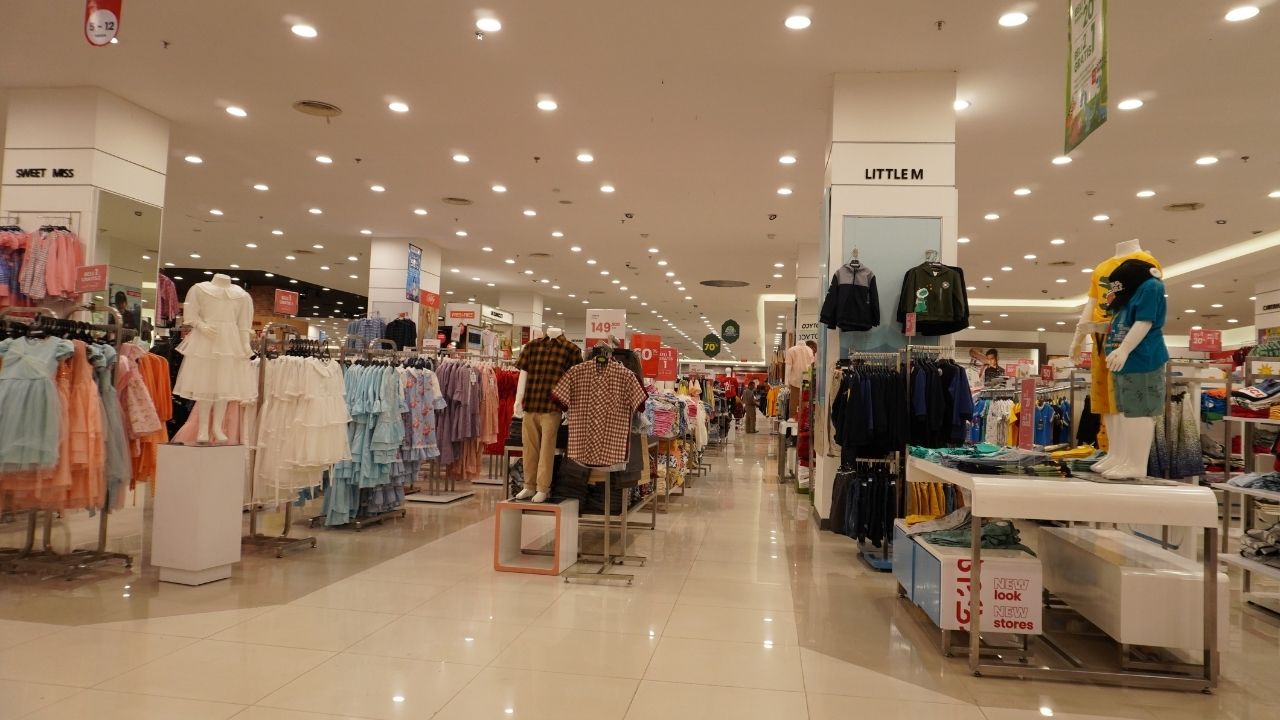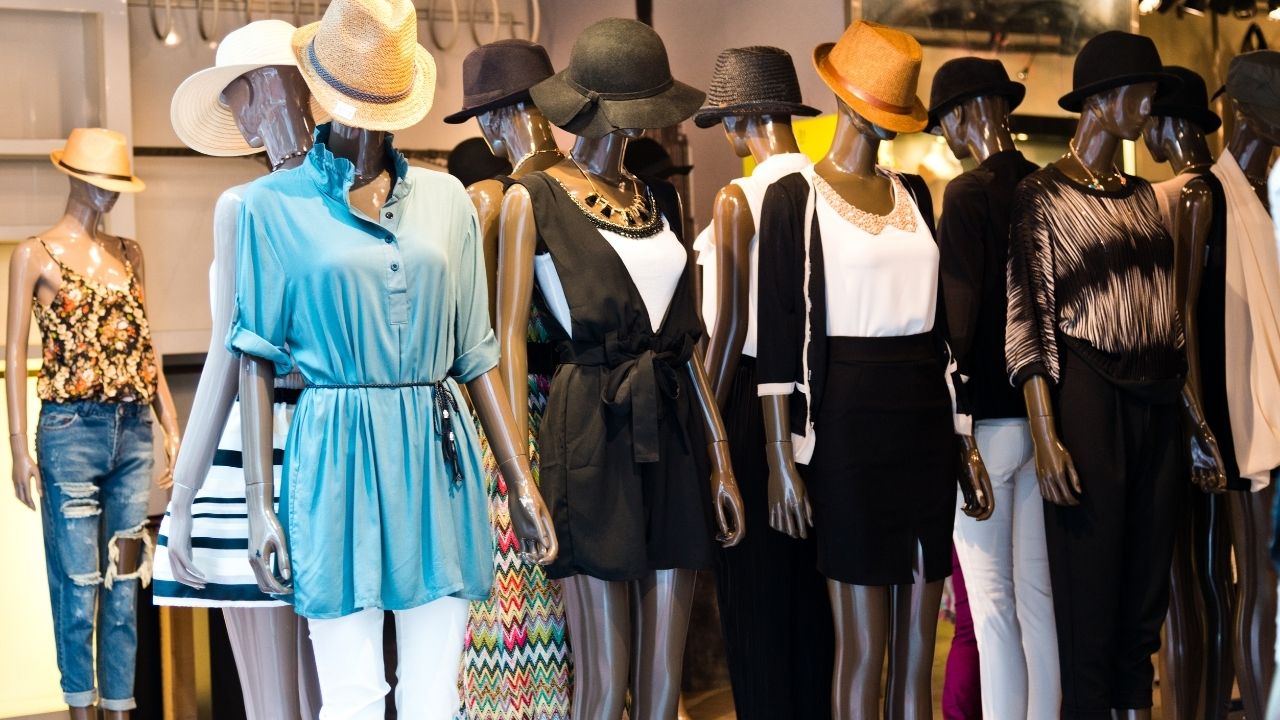
What is ecommerce merchandising? Think of it as stepping into a well-designed physical boutique, only this time the experience happens on a screen. The lighting feels right, best-selling jackets are placed front and center, and complementary accessories sit nearby, subtly guiding your attention. Within minutes, you find what you came for and often a few extras you did not plan to buy.
Many business owners struggle to grasp what ecommerce merchandising really means and how it goes far beyond simply uploading products to a website. At its core, it is the thoughtful planning and presentation of products to spark interest and encourage purchases. It is not just about having inventory available. It is about how that inventory is organized, highlighted, and positioned to connect with shoppers.
Whether you run a large online store or a small niche brand, understanding this approach is essential in a competitive digital marketplace. When done right, ecommerce merchandising becomes the engine that drives engagement, improves conversions, and helps online stores perform at their best.
Defining the Concept: What is eCommerce Merchandising?
At its simplest level, ecommerce merchandising is the strategic arrangement and display of products on an online store to drive sales. It encompasses everything from the order in which products appear on a category page to the cross-sell suggestions that pop up in the shopping cart.
While a brick-and-mortar store relies on physical shelf placement and window displays, online retailers must use digital tools to guide the customer journey. The goal remains the same: to help customers find the right products quickly and encourage them to buy.
So, what is ecommerce merchandising in a practical sense? It involves:
- Designing intuitive site navigation.
- Curating homepage collections based on trends or seasons.
- Optimizing search results to show high-margin items first.
- Using visual assets like high-quality images and videos.
Without a strategy, your online shop is just a warehouse with no aisles and no signage. Merchandising provides the structure that turns browsers into buyers.
The Shift from Physical to Digital
In a traditional brick-and-mortar store, visual merchandising is tangible. You can touch the fabric, smell the perfume, and see how big a table is in relation to a chair. Visual merchandising in the digital realm has to work harder because it lacks these sensory inputs.
Online merchandising must bridge this gap by providing rich, detailed information. High-resolution photos, 360-degree views, and detailed product descriptions replace the ability to touch and feel. Furthermore, the layout of your digital “shelves” needs to be dynamic. Unlike a physical store, where moving inventory takes hours of manual labor, an online store can rearrange thousands of product listings in real time based on customer behavior or inventory levels.
Why eCommerce Merchandising Matters
You might have the best product in the world, but if online shoppers can’t find it, or if it looks unappealing when they do, you won’t make the sale. Effective merchandising impacts every metric that matters to a business.
1. Boosting Conversion Rates
The primary goal is to increase sales. When you present products logically and attractively, you reduce friction in the buying process. A well-merchandised site anticipates what the customer wants. If someone is looking for a tent, effective ecommerce merchandising ensures that sleeping bags and camping lanterns are visible nearby. This strategic placement directly influences conversion rates by making the path to purchase seamless.
2. Enhancing Customer Engagement
Engagement isn’t just about time spent on a page; it’s about interaction. Interactive elements like “Shop the Look” features or quizzes to find the perfect fit keep users interested. When customers engage with your content, they build a connection with your brand. This leads to longer sessions, more page views, and a higher likelihood of returning.
3. Improving Average Order Value (AOV)
Merchandising is the secret weapon for increasing AOV. Through bundling, up-selling (suggesting a premium version of a chosen item), and cross-selling (suggesting complementary items), you can encourage customers to spend more than they originally intended. For example, suggesting a leather care kit when a customer adds a pair of leather boots to their cart is a classic merchandising move.
Key Strategies for Effective eCommerce Merchandising
To truly master this, you need to move beyond basic product uploads. Here are the core strategies that drive success.
Personalized Product Recommendations
One of the most powerful tools in your arsenal is the ability to offer personalized shopping experiences. By leveraging customer data, such as past purchase history, browsing behavior, and location, you can display items that are highly relevant to each user.
Personalized product recommendations act like a helpful sales associate who remembers your style. If a customer frequently buys running gear, your homepage should feature the latest running shoes, not formal wear. These tailored suggestions make customers feel understood and valued.
Optimizing Product Descriptions and Visuals
Your product descriptions are your sales pitch. They need to be persuasive, informative, and optimized for search engines. Avoid generic manufacturer text. Instead, write unique copy that highlights benefits and answers potential questions.
Pair this with stellar visuals. Since customers cannot physically inspect items, they rely heavily on images. Use multiple angles, zoom capabilities, and lifestyle shots to give a complete picture. This visual merchandising aspect is critical for reducing return rates, as it sets accurate expectations.
Leveraging Search and Discovery
If customers cannot find what they are looking for, they will leave. It is that simple. Your on-site search engine is a critical merchandising tool. It should handle typos, understand synonyms, and offer predictive text.
Furthermore, you can manipulate search results to favor specific items. You might want to boost products with higher inventory levels or better margins. Ensuring that your search bar leads customers to find exactly what they need and what you want to sell is a balancing act that pays off.
Using Social Media for Social Proof
Social media has become an extension of the online store. Integrating user-generated content, like Instagram photos of real customers wearing your products, serves as powerful social proof. Merchandising isn’t limited to your domain; it extends to how you present products on social platforms and how you link them back to your product listings.
The Role of Data in Merchandising
Modern merchandising is data-driven. You cannot rely on gut feeling alone. You need to analyze how users interact with your site.
- Heatmaps: See where users are clicking and how far they scroll.
- Traffic Sources: Understand where your visitors are coming from.
- Inventory Velocity: Know which items are selling fast and which are stagnant.
Using real-time data allows you to pivot quickly. If a celebrity is spotted wearing a specific style of sunglasses, you can instantly update your homepage to feature similar items. This agility is what separates top-tier online retailers from the competition.
Mobile Merchandising: The Small Screen Challenge
With a significant portion of online shopping happening on mobile devices, your merchandising strategy must be mobile-first. Screen real estate is limited, so every pixel counts.
Mobile merchandising requires simpler layouts, larger buttons, and faster loading times. You don’t have the luxury of displaying 50 items on a single screen. You must prioritize the absolute best products and ensure the navigation is thumb-friendly. If your mobile experience is clunky, you will lose a massive segment of potential buyers.
FAQ: What Is the Difference Between Marketing and Merchandising?
Here is the concise answer for clarity:
Marketing is everything you do to get customers to your site (ads, emails, SEO, and social media posts). Merchandising is everything you do to sell to them once they are on your site (product layout, pricing display, recommendations). Marketing drives traffic; merchandising drives conversion.
Common Mistakes to Avoid
Even seasoned professionals can fall into traps. Here are a few pitfalls to watch out for.
1. Cluttered Layouts
Less is often more. Overwhelming visitors with too many pop-ups, banners, and flashing signs can cause decision paralysis. Keep your design clean and focused on the products.
2. Ignoring “Out of Stock” Items
Nothing frustrates a shopper more than clicking on a product only to find it is sold out. If an item is out of stock, push it to the bottom of the list or offer a clear “notify me when available” option. Do not let dead ends kill your momentum.
3. Static Homepages
Your homepage should not look the same in July as it did in December. It needs to evolve with seasons, holidays, and trends. A stagnant homepage tells repeat visitors that nothing new is happening, giving them no reason to explore further.
Future Trends in Online Merchandising
The landscape of ecommerce is always shifting. Artificial Intelligence (AI) and Machine Learning (ML) are taking center stage. We are moving toward hyper-personalization, where no two users see the same version of a website.
Visual search is also gaining traction, allowing users to upload a photo and find similar products in your inventory. As technology evolves, effective ecommerce merchandising will become even more automated and intuitive, anticipating needs before the customer even articulates them.
Conclusion
So, what is ecommerce merchandising? It is the heartbeat of your digital business. It bridges the gap between a static product catalog and a dynamic, engaging shopping experience. By focusing on personalized product recommendations, optimizing product descriptions, and leveraging customer data, you can create an environment that not only attracts visitors but also turns them into loyal customers.
It requires a mix of creativity and analytics. You must be willing to test, learn, and adapt. Whether you are tweaking your search engine settings or redesigning your checkout flow, every improvement contributes to the bottom line. In a world where competitors are just a click away, excellent merchandising is your best defense and your greatest growth engine.
Ready to transform your online strategy and stop leaving money on the table? Visit Marketing Immersion to discover how expert insights can elevate your digital retail game.