Have you ever walked into a store intending to buy just milk but walked out with a cart full of snacks, a new mug, and a magazine? If so, you have experienced the power of merchandising firsthand. It is not magic; it is a calculated effort to influence your buying decisions.
For newcomers to the business world, the concept can seem vague. Is it marketing? Is it sales? Or is it just making things look pretty? Understanding exactly what is merchandising in the retail industry is crucial for anyone looking to run a successful shop or brand. It is the silent salesperson who guides customers from the entrance to the checkout counter.
This guide will break down the essentials of retail merchandising. We will explore how it works, why it matters, and how you can use it to transform a casual browser into a loyal buyer.
What Is Merchandising in the Retail Industry?
Let’s start with a clear definition. This section is designed to answer your biggest question directly.
Merchandising refers to the strategic promotion and display of products in a way that stimulates interest and entices customers to make a purchase. It involves the planning, sourcing, displaying, and selling of goods to the right market at the right time.
While marketing brings people to the door, merchandising is what happens once they are inside. It covers everything from window displays to the pricing stickers on the shelf. The goal is simple: to selling products more efficiently by making them desirable and accessible.
Why Merchandising Matters for Your Retail Store
You might have high-quality inventory, but if it sits in a dark corner where no one can see it, it will not sell. Effective merchandising bridges the gap between your products and the customer’s wallet.
It Maximizes Sales
The primary goal of any merchandising plan is to maximize sales. By placing items strategically, you can encourage impulse buys. Think about the candy bars at the checkout line. They are not there by accident; they are strategically placed because you are already in a buying mood.
It Enhances the Customer Experience
Merchandising is not just about moving units; it is about the customer experience. A cluttered, disorganized store frustrates shoppers. A well-merchandised store helps people find what they need quickly. It creates a pleasant atmosphere that makes them want to stay longer.
It Builds Brand Identity
Your merchandising style tells a story. A luxury boutique might use sparse product placement and soft lighting to convey exclusivity. A discount store might use bright lights and bulk bins to scream “value.” The way you present your goods defines your brand in the customer’s mind.
The 5 Rights of Merchandising
To truly grasp what is merchandising in the retail industry, you should familiarize yourself with the “Five Rights.” These principles serve as the foundation for most merchandising strategies.
- The Right Merchandise: You must stock what your customers actually want.
- The Right Place: Products need to be visible and accessible.
- The Right Time: Seasonal items must be on the floor before the season peaks.
- The Right Quantities: Too little stock loses sales; too much stock kills cash flow.
- The Right Price: The price must match the perceived value and market demand.
If you can balance these five elements, you are well on your way to retail success.
Visual Merchandising vs. Retail Merchandising
People often use these terms interchangeably, but there is a distinct difference. Retail merchandising is the broad umbrella. It includes the math behind stock levels, pricing strategies, and product selection.
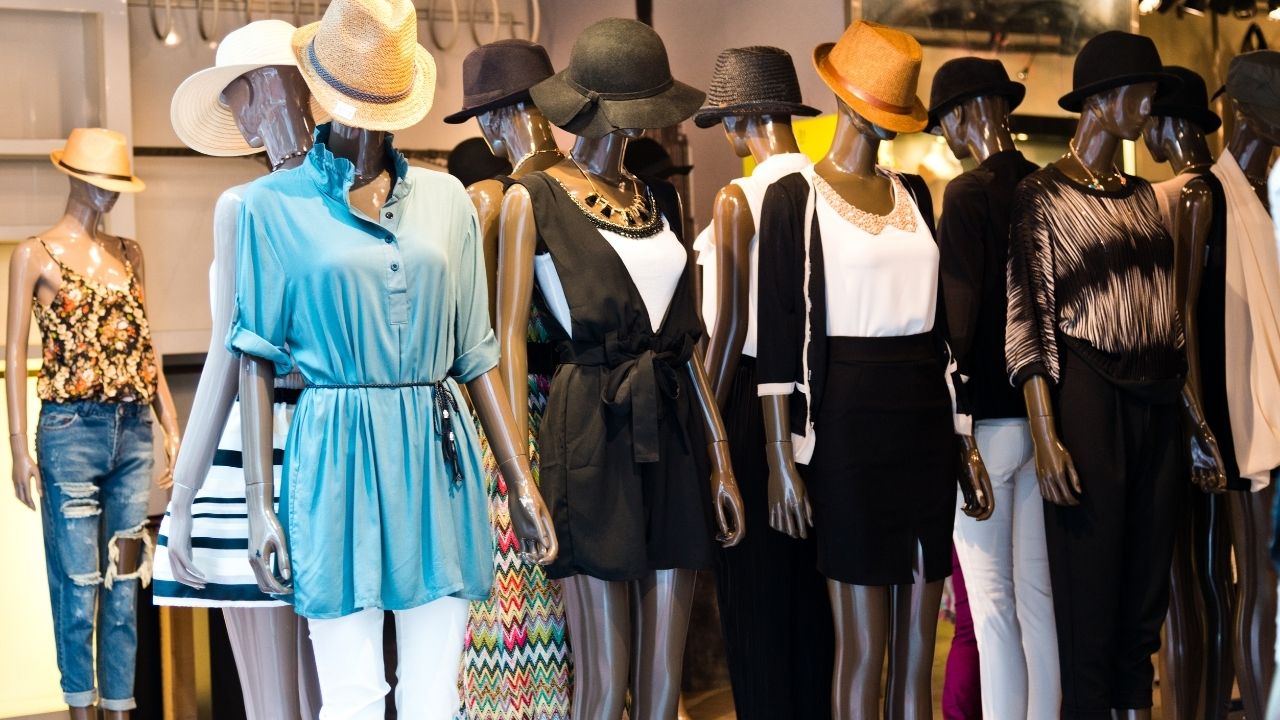
Visual merchandising, on the other hand, is the artistic side. It focuses on creating a visually appealing environment. A visual merchandiser is responsible for the look and feel of the store. They design the floor plans, set up the mannequins, and ensure the lighting highlights the merchandise correctly.
Both are essential. You need the data-driven strategy of retail merchandising combined with the aesthetic appeal of visual merchandising to succeed.
Key Elements of Successful Merchandising
Let’s dive deeper into the specific tactics you can use in a physical store to drive results.
Store Layout and Flow
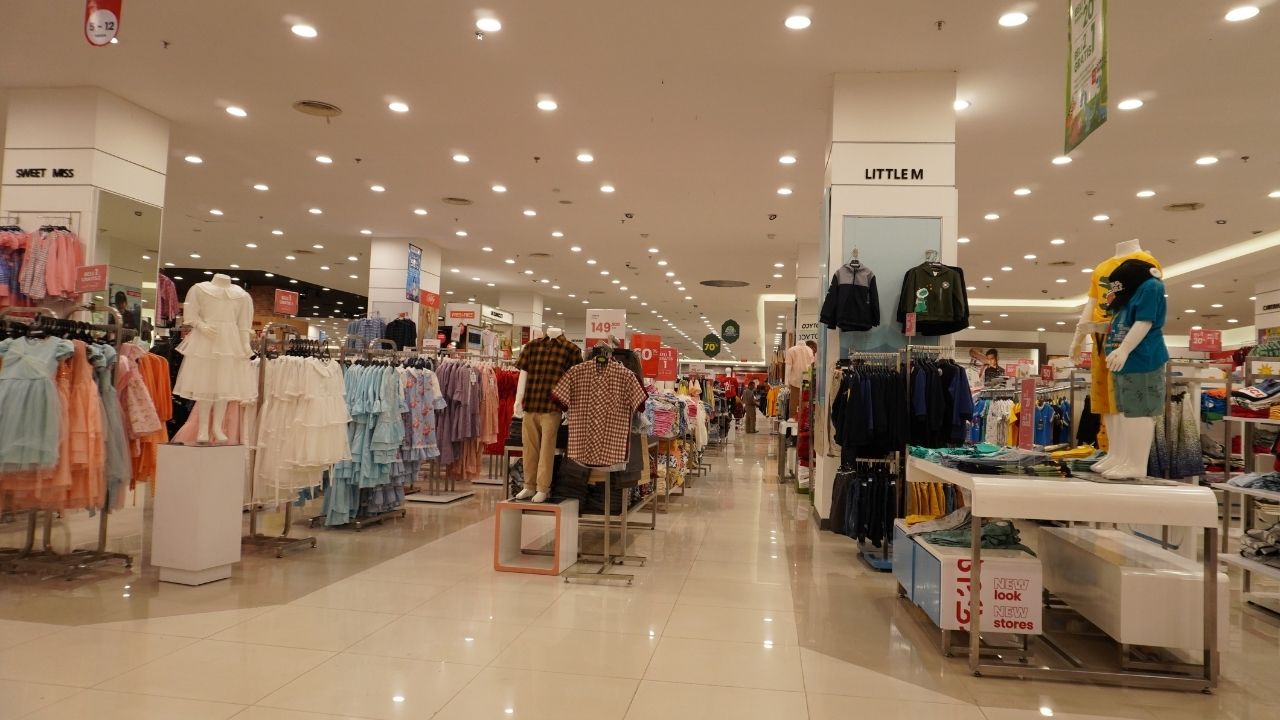
Your store layout dictates how customers move through your space. You want to guide them on a journey that exposes them to the maximum amount of inventory without making them feel trapped.
- Grid Layout: commonly found in a grocery store. It is efficient and allows customers to find things easily.
- Loop Layout: often used in department stores. It forces customers to walk a specific path past curated displays.
- Free-Flow Layout: allows for creativity and browsing, often used in boutiques.
Choosing the right layout depends on your inventory type and your target audience.
Window Displays
Your window displays are your first handshake with a potential customer. They need to be impactful enough to stop someone walking by. An effective window display tells a story. It doesn’t just show a shirt; it shows a lifestyle. It entices people to cross the threshold to see more.
Product Placements and Grouping
Where you put items matters. Product placements should be logical. You wouldn’t put motor oil next to the baby food. Grouping related items together can increase basket size. For example, placing batteries next to electronic toys or artisan crackers next to the gourmet cheese. This is cross-merchandising, and it is a powerful way to increase sales.
Signage and Pricing
Clear signage helps customers navigate. It acts as a silent guide when your sales staff is busy. Pricing should be easy to find. If a customer has to search for a price tag, they might just put the item back. Promotional signage should be bold and clear to draw attention to deals.
Strategies to Attract Customers and Boost Sales
Now that we have covered the basics, let’s look at actionable merchandising strategies you can implement.
The Power of “High Quality” Presentation
Even if you sell budget items, your display should look high quality. Keep shelves dusted, clothes folded, and products faced forward. A messy shelf implies that the product is not valuable. When you treat your merchandise with respect, your customers will too.
Engage the Senses
A great shopping experience engages more than just the eyes.
- Touch: Unbox products so people can feel the quality.
- Smell: Scent marketing works. A bakery smells like fresh bread for a reason.
- Sound: Background music sets the pace. Fast music can speed up movement; slow music encourages browsing.
Change It Up
A stagnant store becomes invisible to repeat customers. You need to rotate your product displays regularly. Move the entrance table items to the back and bring new items forward. This makes the store look fresh every time a loyal customer visits.
Use Data to Inform Decisions
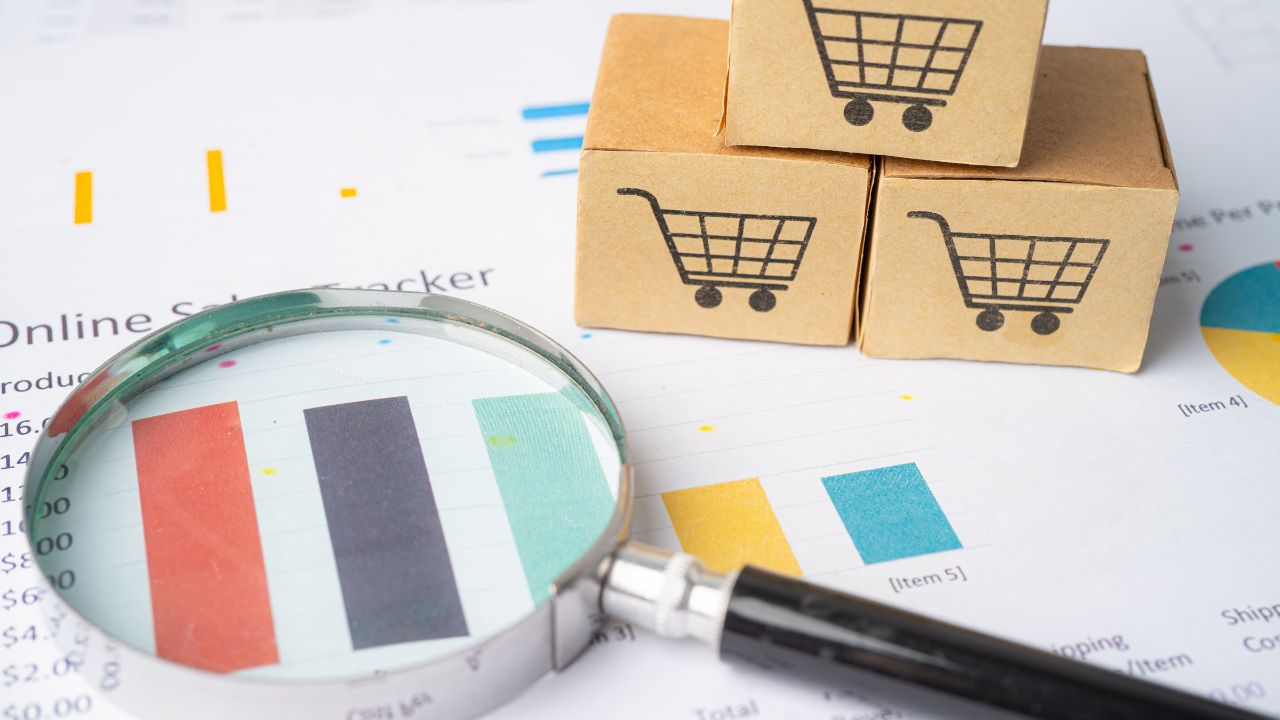
Modern merchandising relies on data. Look at your sales reports. What are your best sellers? Give them prime real estate. What isn’t moving? Maybe it needs a better location or a price adjustment. Don’t guess; use the numbers to build your plan.
The Role of the Merchandiser
Whether you hire a professional or do it yourself, the role of a merchandiser is dynamic. A visual merchandiser needs to be part artist and part analyst. They need to understand color theory and composition, but they also have to understand sales-per-square-foot metrics.
Their job is to ensure the store environment supports the business goals. They work to attract customers and keep them engaged long enough to make a purchase. They constantly tweak the merchandising plan based on inventory levels and seasonal trends.
Digital Merchandising: The Online Frontier
While we have focused on the physical store, we cannot ignore the digital world. Online merchandising follows the same principles but uses different tools. Instead of physical shelves, you have collection pages. Instead of window displays, you have your homepage banner.
On a website, effective merchandising includes:
- High-quality product photography.
- Detailed product descriptions.
- Recommendations like “Customers also bought…”
- Easy navigation and search filters.
The goal remains the same: to create a seamless experience that encourages selling products.
Common Merchandising Mistakes to Avoid
Even experienced retailers make mistakes. Here are a few pitfalls to watch out for.
Overcrowding
There is a fine line between “abundant” and “cluttered.” If a customer is afraid they will knock something over by turning around, your aisles are too tight. Give your products breathing room. Negative space helps highlight the items you want to sell.
Poor Lighting
Lighting can make or break a display. Poorly lit corners are dead zones for sales. Use spotlighting to draw attention to key product displays or new arrivals.
Ignoring the “Decompression Zone”
The first few feet inside your door is the decompression zone. Customers are transitioning from the outside world to your store environment. They usually don’t notice products placed here. Avoid putting high-value items or critical signage in this transition space.
Inconsistent Branding
Your merchandising must match your brand voice. If you market yourself as a high-end luxury brand, using neon handwritten signs will confuse customers. Consistency builds trust.
Conclusion: Mastering the Art of Retail
So, what is merchandising in the retail industry? It is the intersection of psychology, art, and strategy. It is about understanding your customer so well that you know exactly how to present your product to make them say “yes.”
From optimizing your store layout to perfecting your window displays, every detail counts. Good merchandising creates a shopping experience that feels natural and enjoyable. It removes barriers to purchase and highlights the value of your goods.
Whether you run a small boutique or a large grocery store, the principles remain the same. You must present the right product at the right price in the right place. By focusing on creating a visually appealing environment and using data to drive your decisions, you can maximize sales and build a loyal customer base.
Start small. Look at your store with fresh eyes. Walk through the front door as if you were a stranger. What do you see? What do you feel? Use those insights to adjust your strategy. Merchandising is an ongoing process of testing and learning.
If you are ready to take your retail knowledge to the next level and need expert guidance on navigating the complex world of brand strategy and retail execution, visit Marketing Immersion. We can help you refine your approach and achieve sustainable growth.