Have you ever walked into a store and felt like everything was perfectly curated just for you? You notice the right styles, the perfect colors, and a thoughtful display, each element coming together to create an irresistible shopping experience. What you’re experiencing isn’t a coincidence. Behind the scenes, expert fashion merchandising is at work as a critical function bridging creative design and commercial success. When you understand why fashion merchandising is important, you see how it shapes the way the entire fashion industry operates.
Fashion merchandising is much more than picking out pretty clothes. It involves planning, developing, and presenting fashion products in a way that connects with a target audience and drives sales. It’s a blend of creativity and business strategy, making sure the right products reach the right customers at the right time and price. In such a competitive market, merchandising often becomes the edge that helps a brand stand out.
This article walks you through the core components of fashion merchandising and why it’s essential in today’s fashion landscape.
The Strategic Core of a Fashion Brand
At its heart, fashion merchandising is the strategic engine that drives a fashion brand forward. It connects the design studio to the shop floor, ensuring that creative vision is translated into a commercially viable product line. This involves a deep understanding of market trends, consumer behavior, and financial goals.
Merchandisers work to create a balanced collection that appeals to their target customer. This process, known as assortment planning, involves selecting the right mix of fashion products, from essentials to trend-driven statement pieces. The goal is to build a cohesive collection that tells a story and meets consumer demand, all while adhering to the brand’s identity. Without this strategic planning, a brand might produce beautiful garments that unfortunately fail to sell.
Bridging Design, Production, and Sales
One of the most vital roles of fashion merchandising is its function as a central communication hub. Merchandisers are the link between multiple departments, working closely with designers, production teams, marketing specialists, and retail staff.
They provide designers with crucial insights based on sales data and market analysis, helping to shape future collections. They communicate with production teams to manage timelines, costs, and quality control. They collaborate with marketing to develop a cohesive marketing strategy that highlights key products and promotions. This cross-functional role ensures that every aspect of the fashion business is aligned and working toward the same objective: selling products effectively.
Merchandise Planning and Inventory Management
A key reason why fashion merchandising is important lies in its financial impact. Effective merchandise planning and inventory management are essential for profitability. Merchandisers are responsible for forecasting sales, setting budgets, and managing stock levels to avoid costly mistakes.
Here’s a breakdown of their core responsibilities in this area:
- Forecasting Consumer Demand: By analyzing past sales data, current trends, and consumer behavior, merchandisers predict which styles, colors, and sizes will be popular.
- Setting Price Points: They determine the optimal price for each product, balancing production costs, brand positioning, and what the target customer is willing to pay.
- Managing Stock Levels: Proper inventory management ensures that popular items are always in stock while preventing overstock situations that lead to markdowns and lost revenue. This delicate balance is crucial for a healthy fashion retail operation.
This meticulous planning minimizes financial risk and maximizes the return on investment for every collection.
The Power of Visual Merchandising
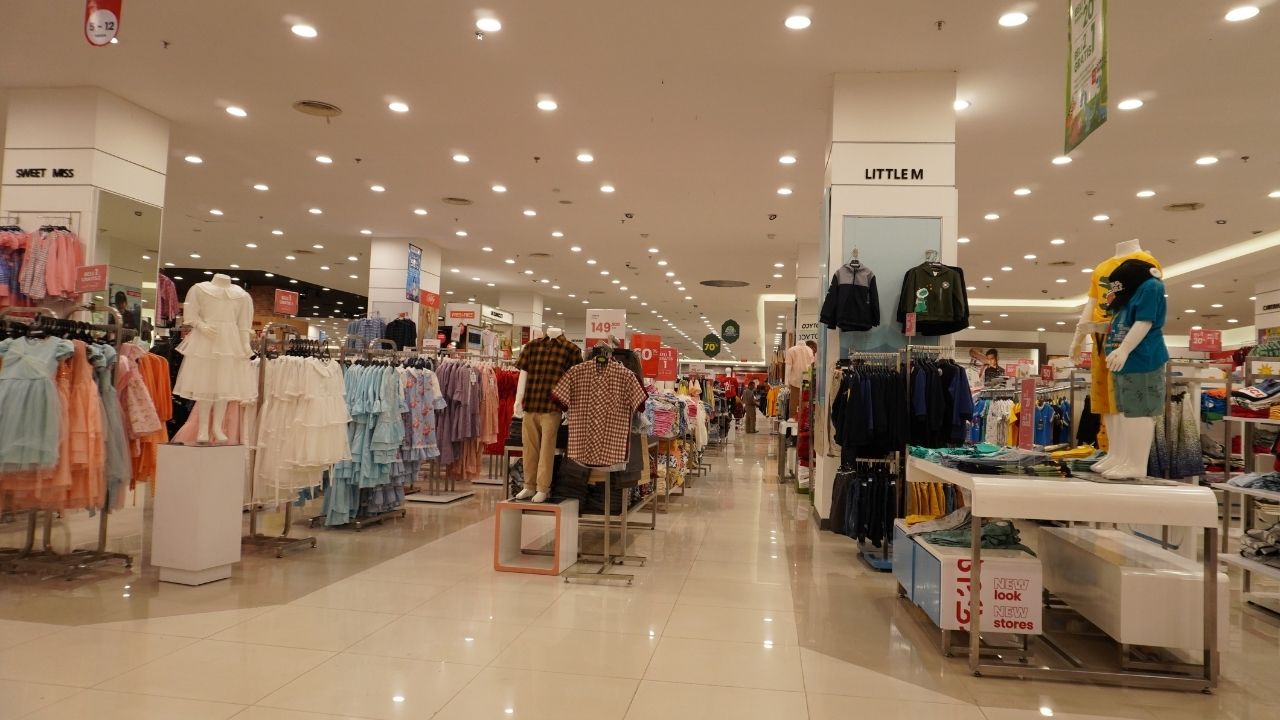
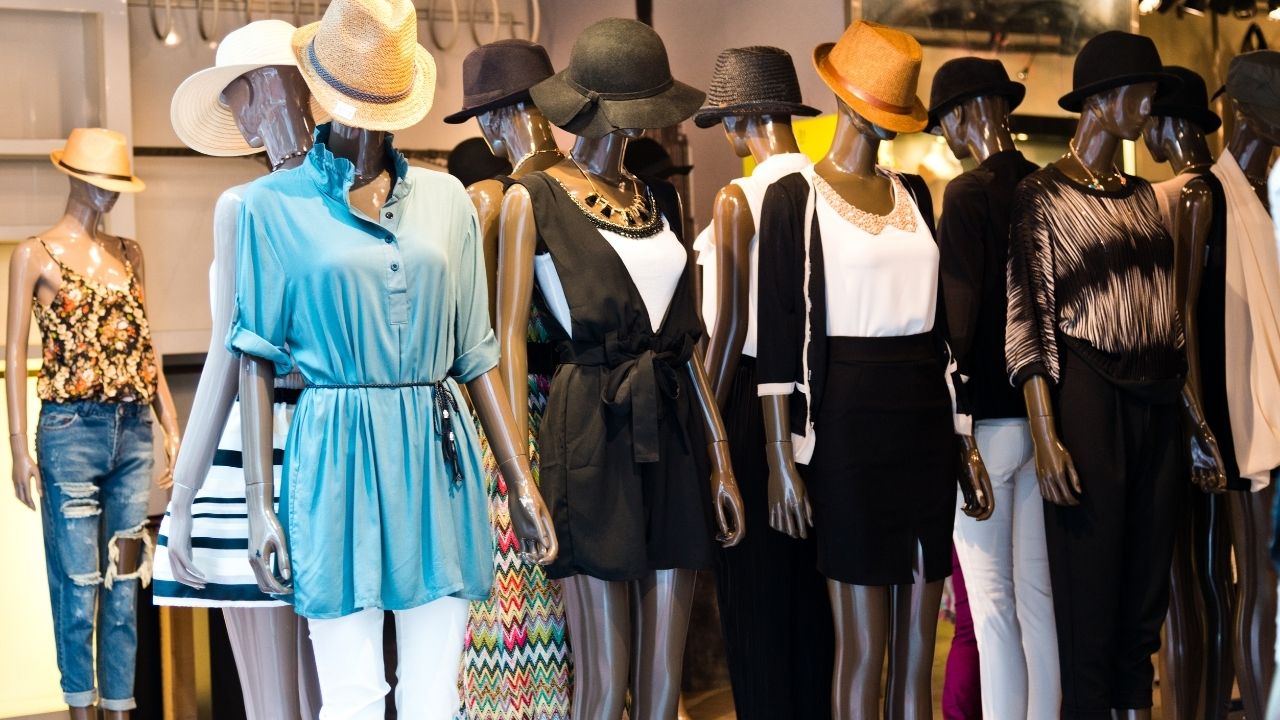
How products are presented can be just as important as the products themselves. This is where visual merchandising comes into play. It’s the art of creating compelling in-store and online displays that attract, engage, and motivate customers to make a purchase.
Visual merchandising brings the brand’s story to life. It includes everything from store layouts and window displays to website navigation and product photography. A skilled merchandiser knows how to use color, lighting, and product placement to create a specific mood and guide the customer’s journey. An engaging visual presentation not only enhances the shopping experience but also reinforces brand identity and drives sales. In the crowded fashion industry, strong visual merchandising can be a significant competitive advantage.
Understanding and Responding to Consumer Behavior
The fashion landscape is constantly changing, driven by shifting consumer tastes and behaviors. Fashion merchandising plays a critical role in keeping a brand relevant by staying tuned into these changes. Merchandisers use sales data, market research, and social media trends to gain a deep understanding of what customers want.
This understanding allows them to:
- Identify Emerging Trends: They can spot new styles or preferences early, allowing the brand to be a trendsetter rather than a follower.
- Tailor Assortments: By knowing their customer, they can curate a product mix that resonates on a personal level.
- Adapt Quickly: When a particular style isn’t selling, merchandisers can analyze the sales data and make swift decisions, such as adjusting stock levels or planning a promotion to move the inventory.
This responsive approach ensures that the fashion brand remains agile and continues to meet the evolving needs of its audience.
FAQ: What Is the Main Goal of a Fashion Merchandiser?
The main goal of a fashion merchandiser is to maximize profitability by ensuring the right fashion products are available to consumers at the right time, in the right place, and at the right price. This involves strategic merchandise planning, inventory management, and trend forecasting to meet consumer demand.
A Rewarding Career in Fashion
For those with a passion for both style and business, a career in fashion merchandising offers a dynamic and rewarding path. It requires a unique blend of creativity, analytical skill, and business acumen. Professionals in merchandising management are strategists, analysts, and innovators who have a direct impact on the success of a fashion business.
The field offers various specializations, from buying and planning to visual merchandising and product development. As the fashion industry continues to evolve with the rise of e-commerce and data analytics, the role of the merchandiser becomes even more critical. It’s a career that demands continuous learning and adaptation, making it an exciting choice for ambitious individuals looking to make their mark.
The work of a fashion merchandiser is foundational to the success of any fashion brand. From initial assortment planning to the final visual presentation, their strategic decisions shape the customer experience and drive financial results. They are the analytical minds behind the artistic expressions, ensuring that creativity translates into commerce.
Ready to dive deeper into the strategies that drive market success? Explore the expert insights and resources at Marketing Immersion to sharpen your marketing and business acumen.