
Have you ever gone into a store planning to buy just one thing, but left with a full basket? That wasn’t an accident. It happens because of smart merchandising marketing.
Retailers use this powerful tool to guide what you see and what you buy. Merchandising marketing shapes a shopping experience that feels both fun and convincing.
Today, getting a customer’s attention is tough. There are so many choices everywhere. Bringing people into your shop or onto your website is just the first step. But turning their visit into a sale is where merchandising marketing shines. It’s the secret that encourages people to make a purchase, even when they weren’t planning to.
In this guide, you’ll find out in simple terms why merchandising marketing is so important. We’ll look at what it is, how it helps you attract customers, and how it can boost sales for your business. These tips can give you a real edge over the competition.
What is Merchandising Marketing?
Merchandising marketing is the way you show your products to make people want to buy them. It includes everything a shop owner does to sell products inside a physical store or online.
It’s more than placing items on a shelf. Furthermore, it’s about creating an experience that leads to sales and brings customers back again.
Your marketing strategies, like ads or social media, bring people to your store. Once they arrive, merchandising marketing steps in. It guides shoppers by showing them what’s new, what’s on sale, and what goes well together.
You might set up special racks for new arrivals, have feature tables for seasonal items, or arrange end-of-aisle displays with deals. The goal is to make shopping easy, fun, and rewarding so customers want to come back.
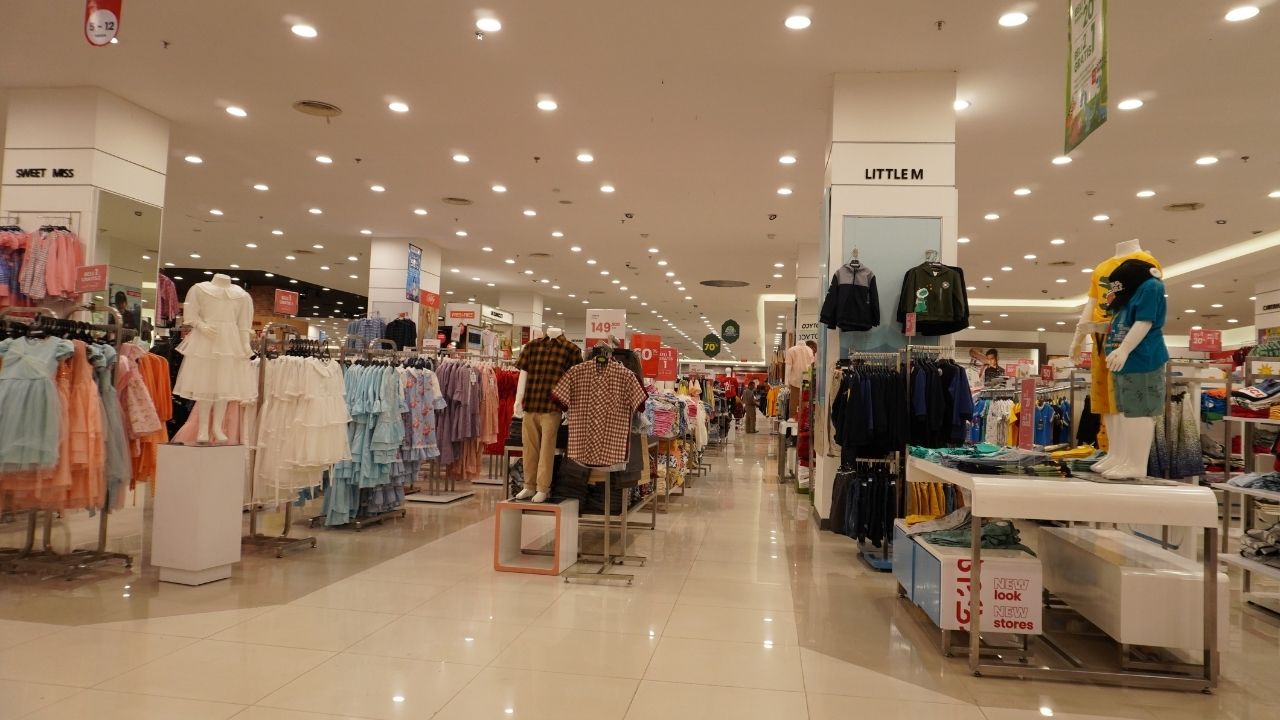
Visual merchandising is a big part. This covers your store layout, lighting, clear signage, and store displays. Well-placed mirrors, neat shelves, and open walkways all matter. Plus, your product selection, having popular items and new finds-keeps things fresh.
When done right, merchandising creates positive customer experiences that drive sales and stick in shoppers’ minds.
How Good Merchandising Attracts Customers
Merchandising helps grab a customer’s attention and keep it. In a store full of items, your key products have to stand out. Effective merchandising can turn window shoppers into buyers.
Ways merchandising attracts:
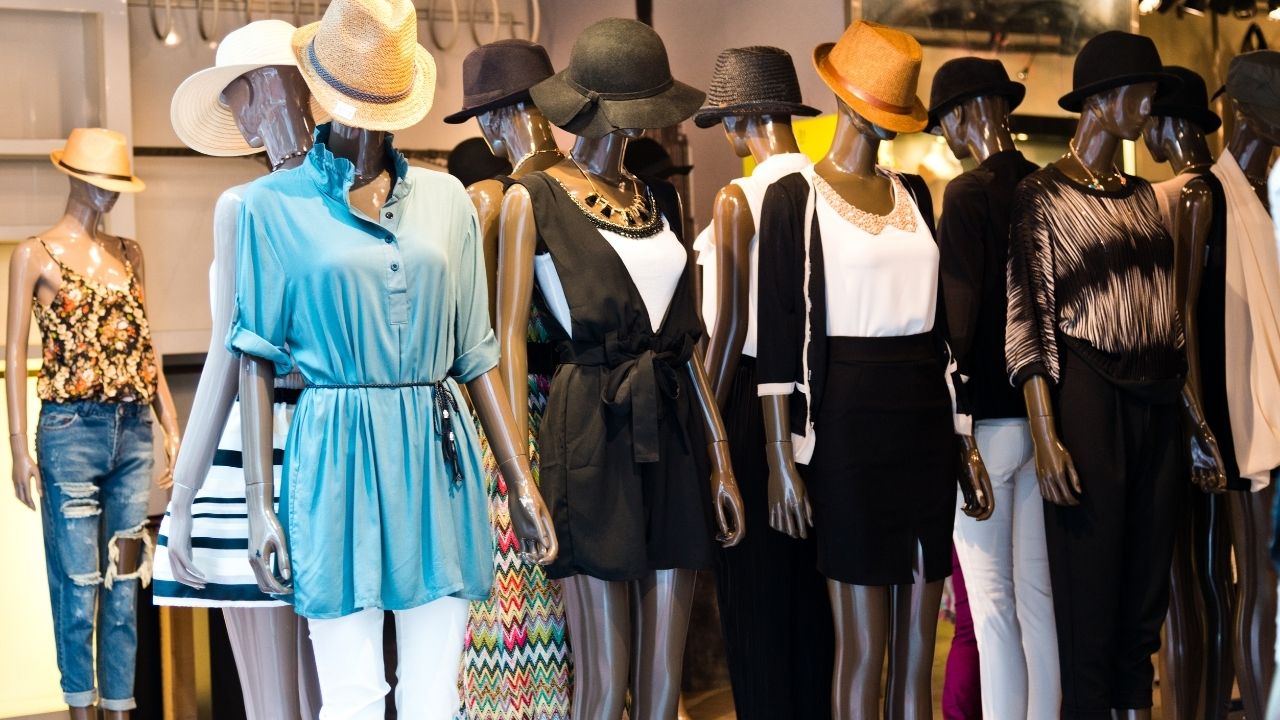
- Eye-Catching Displays: Cool displays draw people in. A mannequin with a trendy outfit or a bright table with new gadgets catches the eye. Grocery stores use colorful fruit stacks or the smell of fresh bread to make people come closer. First impressions are everything and help bring customers deeper into the store.
- Telling a Story: It’s about more than showing products. Great merchandising tells a story. For example, baking pans next to cake mix and frosting sell the idea of family baking time. Camping gear with snacks and lanterns creates an “outdoor adventure” vibe. This helps customers picture using the items together and encourages bigger purchases.
- Highlighting Good Deals: Perfect for sales and promotions. Clear signs, easy-to-spot sale bins, and bundle deals show where the value is. Buy-one-get-one offers, multi-buy discounts, and free gifts with purchase help increase shopping baskets.
- Guiding Shoppers: Store layout is a merchandising tool. A smart layout leads people past important products and services and helps them find something new. Impulse buys by the checkout, like snacks or little gadgets, are a classic way to boost last-minute sales.
The Power of Visual Merchandising
Visual merchandising is a huge part of the process because what we see affects what we want to buy. Store colors, shapes, and light make a big difference.
This type of merchandising uses color, lighting, and displays to create certain moods and highlight brand merchandise. An organized, tidy store feels inviting, while a messy or confusing one makes people leave. Visual merchandising also plays a significant role in your brand’s reputation.
Clothing stores might use bright lights to show off T-shirts or softer lights for winter coats. Grocery shops build creative produce displays and bakery sections that look and smell inviting. Electronics shops put new gadgets on clean podiums so they stand out.
Grouping related items together also helps. For example, putting coffee makers right next to coffee beans and mugs, or dog food with toys and bowls. Seasonal displays, like school supplies in August or holiday gift towers in December, make it easier for customers to find what they need and spark more sales.
Know Your Target Audience
The best merchandising strategies are aimed at a clear target audience. When you know your customers, you can set up displays, signs, and product mixes that appeal to what they like.
The merchandising work for a toy store will look totally different than for a suit shop.
- For young shoppers, use bright colors and trends you see on social media. Some stores set up “Instagram spots”, places made for customers to snap and share photos online.
- For homeowners, you might make real-life looking displays, like a kitchen or living room setup, so they can imagine products at home.
Ask your customers which products they like best. Keep track of popular items and read feedback from surveys or loyalty cards. By matching your merchandising to customers’ preferences, you’ll attract customers and build long-term loyalty.
Merchandising Isn’t Just for Physical Stores
Merchandising marketing isn’t just useful in your shop. These ideas are just as important for your online store or website.
Think of your website as your digital storefront. Every picture, button, or video is part of online merchandising. The goal is the same as in a physical store: help customers find and buy products easily.
Online merchandising includes:
- Clear Photos and Videos: Online shoppers can’t touch or test items. Show clear photos and videos, maybe even 360-degree views. Videos showing products in use help too.
- Simple Navigation: A tidy website with clear menus and filters is like a neat store. Make it easy for customers to search, filter, and find what they need. Highlight bestsellers or new arrivals on your homepage.
- Product Suggestions: “You might also like” and “Frequently bought together” sections make it easy to find extras. Bundles and kits are popular and increase the value of each order.
- Customer Reviews and Social Media Pics: Including real customer reviews and photos creates trust. Some shops show social posts of happy buyers right on their product pages, which can help boost confidence in your brand merchandise.
The Main Point: Merchandising Helps Drive Sales
The biggest reason merchandising marketing matters is that it boosts sales. Every choice about displays or website features is a chance to make a sale.
Put your best items at eye level, or run special pushes for promoted products. Even small details, like using colorful price signs or creating fun end caps for new goods, make a difference.
A welcoming shopping experience also makes people want to come back. Happy customers return, leave good reviews, and tell their friends. You’ll see the benefits over the long term.
Putting in the effort on your merchandising strategies is a smart move. It’s not just about selling products and services for today, but about making your shop strong for tomorrow
Ready to improve your marketing and turn more visitors into loyal customers? Discover expert strategies and take your retail business to the next level with Marketing Immersion.